The Dark Life and Legacy of George Philip Gein
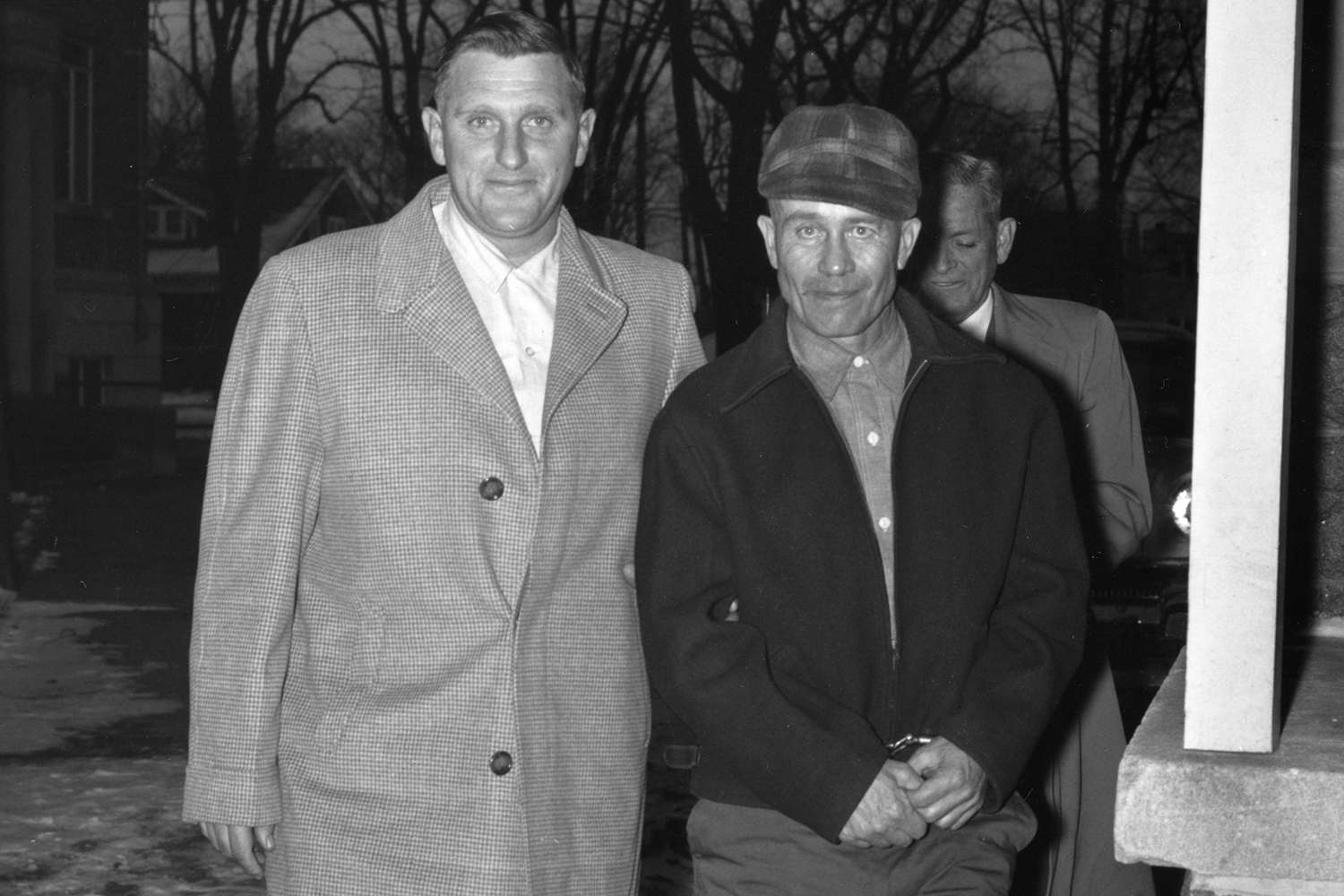
When it comes to notorious figures in American criminal history, few names evoke as much morbid fascination as George Philip Gein. Born in the quiet town of La Crosse, Wisconsin, in 1906, Gein would later become infamous for acts that shocked the nation and inspired countless books and films. While many know him as a source of horror stories, the reality of George Philip Gein’s life is far more complex, rooted in isolation, psychological trauma, and deeply disturbing behaviors.
Early Life and Family Background of George Philip Gein
The childhood of George Philip Gein was marked by severe dysfunction and emotional neglect. He was raised by his domineering mother, Augusta, who instilled in him a twisted sense of morality. Augusta’s extreme religious beliefs created a household atmosphere steeped in fear, where anything deemed sinful was strictly forbidden. This environment profoundly shaped Gein’s worldview, fostering a deep sense of shame and confusion that would later manifest in his criminal acts.
Growing up, George Philip Gein was largely isolated from other children. He had minimal social interaction and was discouraged from forming friendships outside his immediate family. This isolation, combined with his mother’s erratic teachings, left him ill-prepared to cope with normal social situations. As a young man, he worked odd jobs around La Crosse but remained emotionally and socially stunted. His troubled upbringing offers critical insights into the factors that influenced his later actions.
By his mid-30s, George Philip Gein had become a recluse. After his father’s death and his mother’s increasing control over his life, he withdrew completely from society. This period of isolation not only allowed his obsessions to flourish but also set the stage for the criminal behaviors that would eventually bring him notoriety.
Crimes and Infamous Activities
The criminal life of George Philip Gein is both shocking and gruesome. While often mislabeled as a serial killer, his crimes were more focused on grave robbing and the creation of macabre objects from human remains. His actions became public in the late 1950s when local authorities discovered the extent of his disturbances.
Gein’s fascination with death began in his teenage years, but by the time he was in his 40s, George Philip Gein had escalated to digging up corpses from local cemeteries. He would then use these remains to craft items such as masks, clothing, and household objects. While horrifying, these acts were less about physical violence and more about fulfilling deep psychological compulsions.
Perhaps the most infamous event tied to George Philip Gein was the disappearance of a local hardware store owner, which ultimately led investigators to search his property. What they found shocked the nation: evidence of grave robbing, human remains, and a disturbing shrine-like collection that illustrated the depth of his obsessions. This discovery cemented George Philip Gein’s place in criminal history and inspired fear and fascination across America.
Psychological Profile and Diagnosis
Understanding George Philip Gein requires examining the psychological underpinnings of his behavior. Psychologists who studied him after his arrest concluded that he suffered from severe psychiatric disorders, including schizophrenia and personality disorders. His acts of grave robbing and fascination with human anatomy were symptomatic of a deeply disturbed mind.
Experts often cite the controlling nature of his mother as a pivotal factor in George Philip Gein’s mental development. The combination of isolation, fear-based upbringing, and rigid moral lessons created a psychological environment where abnormal behaviors could take root. Gein’s detachment from reality and obsession with death were further exacerbated by years of living alone in his decaying family home.
While George Philip Gein was clearly troubled, it is important to recognize that his crimes were not merely the product of his upbringing—they reflected profound psychiatric illness. This dual understanding of environmental and biological factors offers a more nuanced view of one of America’s most notorious figures.
Legacy in Pop Culture
Despite his grim real-life story, George Philip Gein has left an enduring mark on popular culture. His crimes inspired a host of horror films and novels, often serving as a model for fictional characters like Norman Bates in Psycho and Leatherface in The Texas Chainsaw Massacre. These portrayals blend fact and fiction, turning the tragic and horrifying reality of George Philip Gein into enduring horror myths.
Writers and filmmakers have often focused on the psychological aspects of George Philip Gein’s life, exploring themes of isolation, maternal control, and mental illness. While dramatized, these narratives continue to spark discussions about the intersection of psychology and criminal behavior, ensuring that the story of Gein is remembered not just for its shock value but also for its insights into human pathology.
Death and Posthumous Recognition
George Philip Gein spent the remainder of his life in psychiatric institutions, ultimately dying in 1984. His death marked the end of one of the most infamous chapters in American criminal history, yet his story continues to fascinate historians, criminologists, and horror enthusiasts alike.
Even today, discussions of George Philip Gein are often framed around the interplay between nature and nurture. His life raises difficult questions about how much of criminal behavior is shaped by upbringing versus innate psychological conditions. Scholars continue to analyze his life, offering insights into criminal psychology and the ways in which early trauma can manifest in extreme behaviors.
Conclusion
The life of George Philip Gein is a chilling reminder of how isolation, mental illness, and abusive upbringing can converge to produce horrifying consequences. While his crimes were grotesque, the story of Gein also offers valuable lessons in psychology, criminology, and the societal factors that contribute to deviant behavior. From his troubled childhood to his gruesome criminal activities and eventual death, George Philip Gein remains a figure both feared and studied, illustrating the dark complexities of the human mind.
Through the lens of history and psychology, understanding George Philip Gein is not about sensationalizing horror—it is about learning from the past and grappling with the darker aspects of human nature. His story continues to captivate, disturb, and educate, ensuring that the legacy of George Philip Gein will endure for generations.






Post Comment