Manning Brothers: The Untold Story Behind NFL Royalty, Rivalry, and Reinvention
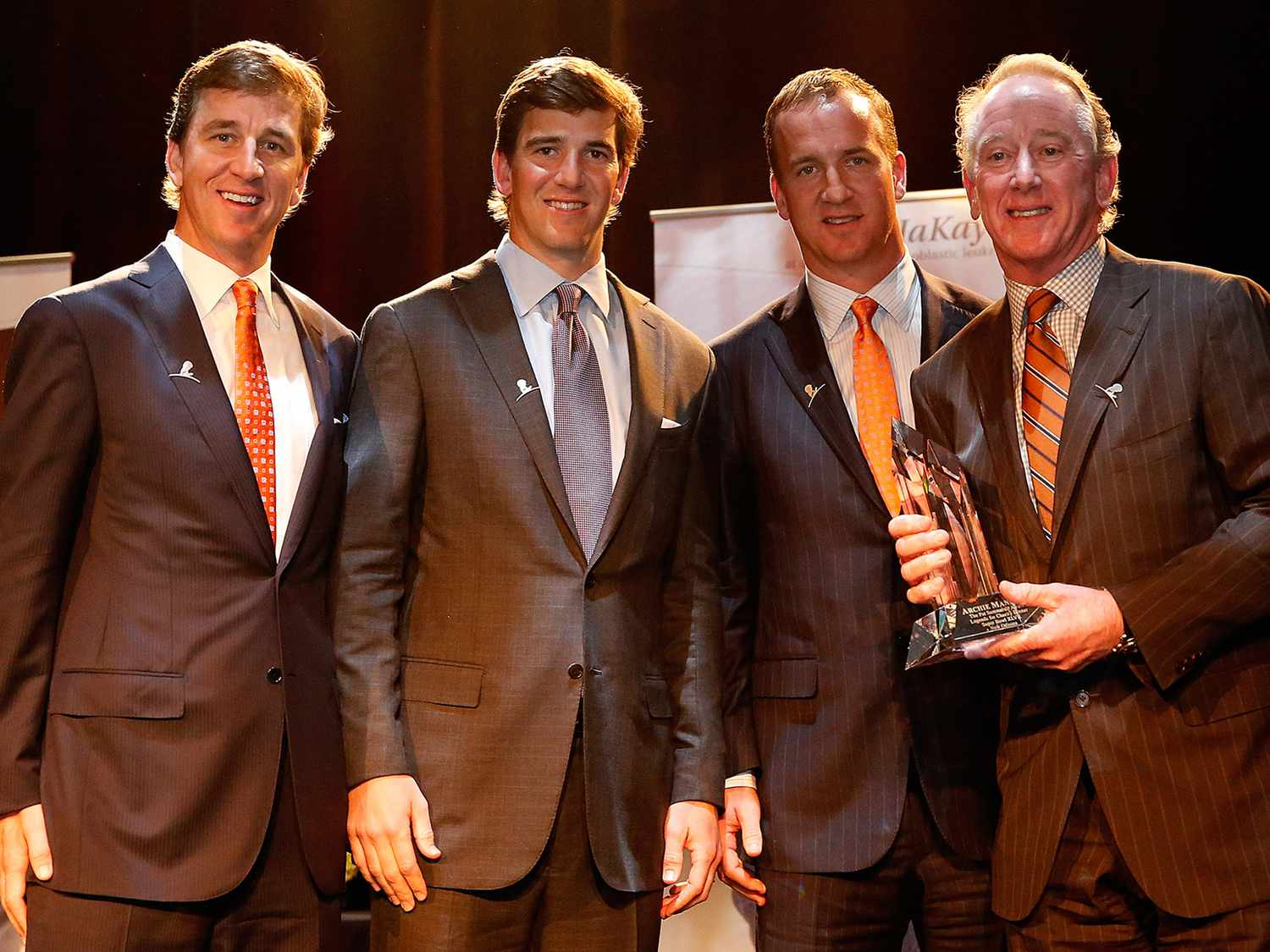
The Manning brothers—Peyton Manning and Eli Manning—aren’t just names in football history. They are a blueprint for legacy, pressure, and reinvention in modern sports culture. The story of the Manning brothers goes far beyond touchdowns and Super Bowl rings. It’s about a family dynasty shaped by expectation, sharpened by competition, and elevated by two very different paths to greatness. And here’s the kicker: their success was never guaranteed—it was engineered through pressure most athletes would crumble under.
Manning Brothers Origin: Built in the Shadow of a Quarterback Dynasty
The story of the Manning brothers begins long before NFL stadium lights and championship confetti. It begins with a father—Archie Manning—a respected NFL quarterback whose career brilliance was often overshadowed by team struggles. That legacy created both inspiration and pressure in equal measure.
Here is the kicker: Peyton and Eli didn’t grow up dreaming of being good. They grew up expected to be great.
From backyard drills to film study sessions that felt more like college courses, the Manning household functioned like a football think tank. Industry veterans often note that few NFL families have ever matched this level of structured development so early in life. The data suggests a pattern seen in elite performers: early exposure + relentless repetition = competitive advantage.
But even with that foundation, the brothers were not identical prospects.
Peyton Manning was the obsessive strategist—the quarterback who treated football like chess at full speed. Eli Manning, quieter and more reserved, developed his game differently: less vocal dominance, more situational control.
And that contrast? It would define everything that followed.
The Pressure Cooker: Expectations, Identity, and the Manning Brothers’ Early Challenges
The Manning brothers journey was never smooth—it was engineered under pressure that most young athletes never experience.
Let’s break it down.
Peyton entered college football as a projected superstar almost immediately. Every throw was analyzed, every decision dissected. Eli, on the other hand, had to fight a different battle: proving he wasn’t just “Peyton’s younger brother.”
Here is where it gets interesting: pressure doesn’t destroy elite athletes—it refines them.
At Tennessee, Peyton Manning became a living laboratory of offensive innovation, setting records while absorbing criticism for not winning a national title. Meanwhile, Eli at Ole Miss quietly built resilience in a system that demanded toughness over spotlight.
Industry veterans often note that this phase is where most football careers split into two paths: burnout or breakthrough.
The Manning brothers chose breakthrough—but in completely different ways.
And that difference would become the foundation of one of the most fascinating sibling comparisons in sports history.
Manning Brothers NFL Rise: Two Paths, One League, Zero Shortcuts
When the Manning brothers NFL journey began, expectations didn’t just follow them—they chased them.
Peyton Manning was drafted first overall in 1998 by the Indianapolis Colts. The message was clear: rebuild the franchise, redefine the quarterback position, and win—fast.
Eli Manning’s path was more complicated. Drafted by the San Diego Chargers and immediately traded to the New York Giants, he entered the league under a microscope of skepticism and pressure.
Here is the kicker: both brothers entered chaos—but adapted differently.
Peyton transformed the Colts into a precision machine. His pre-snap reads became legendary. Coaches built entire systems around his ability to diagnose defenses in seconds.
Eli, meanwhile, evolved into something less predictable but equally valuable: a quarterback who thrived in high-pressure moments. He wasn’t always dominant in statistical terms—but when the stakes rose, so did he.
The data suggests a shift toward valuing “clutch performance over consistency” in legacy discussions, and Eli Manning became the embodiment of that debate.
And then came the moment that defined everything.
Two Super Bowls. Two victories over the New England Patriots dynasty. One helmet catch. One perfect narrative split between control and chaos.
The Rivalry That Wasn’t a Rivalry: Manning Brothers Respect Over Competition
The Manning brothers rivalry narrative is often misunderstood. It was never truly a rivalry in the traditional sense. It was comparison without conflict.
Here is the kicker: they never competed against each other on the field, but they competed against expectation itself.
Peyton Manning became the statistical architect of quarterback excellence—five MVP awards, record-breaking seasons, and a career defined by surgical precision. His leadership style influenced an entire generation of quarterbacks who studied his pre-snap cadence like scripture.
Eli Manning carved a different legacy. Two Super Bowl MVPs. Two iconic playoff runs. And a reputation for delivering under pressure when the odds were stacked against him.
Industry veterans often note that this duality is what makes the Manning story unique: one brother represents mastery of control, the other represents mastery of chaos.
It gets better: both approaches worked.
And in a league obsessed with comparison, the Manning brothers quietly rewrote the definition of success. Not identical greatness—but complementary greatness.
Key Takeaways: What the Manning Brothers Teach About Success and Legacy
- The Manning brothers demonstrate that greatness can follow multiple paths—there is no single blueprint for elite performance.
- Early pressure and structured development played a crucial role in shaping both Peyton and Eli’s football IQ and mental toughness.
- Peyton Manning represents system mastery, precision, and leadership through control.
- Eli Manning represents resilience, timing, and peak performance under pressure.
- Their legacies show that narrative matters as much as statistics in shaping sports history.
- Industry analysis suggests that modern quarterback evaluation increasingly values adaptability over pure metrics—something both brothers embodied differently.
The Transformation: How the Manning Brothers Redefined NFL Legacy
The final chapter of the Manning brothers story is not about retirement—it’s about reinvention.
Peyton Manning retired as one of the most statistically dominant quarterbacks in NFL history, later transitioning into broadcasting and media, where his analytical mind found a second life. His presence continues to shape how football is discussed, analyzed, and consumed.
Eli Manning stepped away from football with a quieter exit but a lasting imprint on postseason mythology. His legacy lives in highlight reels that defy logic and in conversations about clutch performance that still divide analysts.
Here is the kicker: both brothers left the game on their own terms—but shaped its future in different ways.
Experts often highlight that their influence extends beyond football. They represent two psychological archetypes of success: the controlled perfectionist and the calm disruptor.
And together, they form something rare in sports history: a dual legacy without internal conflict.
Why the Manning Brothers Still Matter Today
Even years after their peak playing days, the Manning brothers remain central to football discourse.
Why?
Because they challenge the idea that greatness must look the same.
One built dominance through preparation and precision. The other built legacy through timing and resilience. And both succeeded under the weight of expectation few athletes will ever understand.
It gets better: their influence is still shaping how young quarterbacks are trained, evaluated, and mentally prepared for professional sports.
From film study culture to mental conditioning programs, echoes of Peyton and Eli’s development are everywhere in today’s NFL pipeline.
And that’s the final truth: the Manning brothers didn’t just play football—they changed how football thinks.





Post Comment