Stephanie Thirkill Explores Charlie Kirk Smile
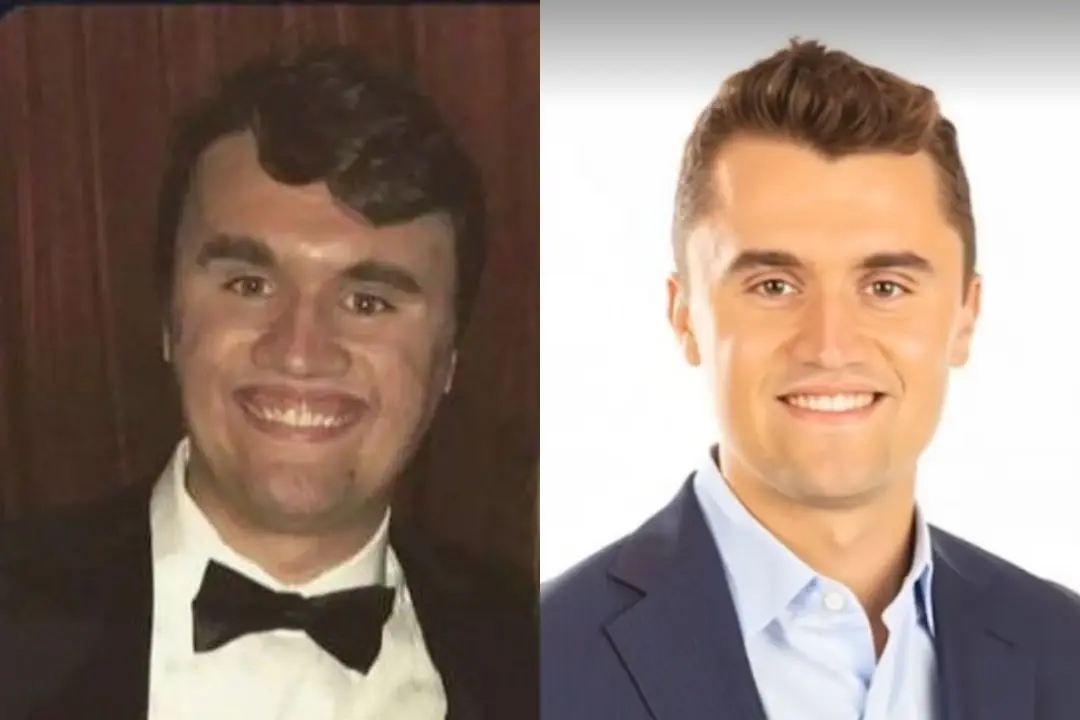
When it comes to public figures, few details about them capture attention quite like their personal expressions. One aspect that has intrigued many is the Charlie Kirk smile. Whether you’re a follower of his political commentary or simply interested in the human side of influential personalities, the way Charlie Kirk presents himself speaks volumes. His smile is more than just a facial feature—it’s a subtle tool that conveys confidence, approachability, and even a sense of strategy in public appearances.
The charm in the Charlie Kirk smile is not accidental. For public figures, facial expressions are part of the image they cultivate. Every speech, interview, or public photo is carefully considered, and Kirk seems to understand this instinctively. Observers often note that his smile is a blend of warmth and determination, giving him a relatable yet commanding presence. In a world where perception often influences trust, a smile like his can play a pivotal role in shaping public opinion.
Analyzing the Charlie Kirk smile also reveals insights into his personality. Psychologists often link facial expressions with confidence, emotional intelligence, and charisma. A well-timed smile can ease tension in a conversation, signal sincerity, and create a connection with the audience. For Kirk, his smile does more than make him look approachable—it subtly reinforces his message and helps him maintain rapport with supporters.
Finally, the Charlie Kirk smile reminds us how small gestures can have a large impact. In media-focused careers, nonverbal cues are just as important as words. His consistent use of a confident smile reinforces the image of a composed, persuasive individual. Whether you love him or disagree with his views, it’s hard to ignore the effectiveness of such a simple yet strategic tool.
The Role of the Smile in Politics
Smiles have long been a political instrument, and the Charlie Kirk smile is no exception. Politicians and public speakers understand that facial expressions can influence how messages are received. Kirk’s smile often softens the intensity of his political rhetoric, making him appear more relatable to a wider audience. The interplay between assertiveness and warmth in his smile creates a balance that resonates with people who might otherwise feel intimidated by political debates.
Beyond its immediate impact, a smile can help convey authenticity. In politics, trust is paramount, and even the most articulate speech can fail if the speaker seems disconnected from their audience. Kirk’s smile works subtly to bridge this gap, demonstrating openness and engagement. His smile often appears in photographs, speeches, and interviews, reinforcing his public persona as someone confident, approachable, and composed.
Interestingly, political communication studies often highlight the subconscious influence of smiles. A genuine smile can trigger positive responses in viewers, leading to increased receptivity to the speaker’s message. Kirk seems to use this intuitively; his Charlie Kirk smile often appears natural, even in moments of intense discussion. This gives his audience a sense of sincerity, helping his ideas resonate beyond the words themselves.
Finally, the use of a smile in politics is also strategic. By combining serious messaging with friendly expressions, leaders can soften criticism and attract support. In this context, the Charlie Kirk smile is more than just a facial expression—it’s a calculated element of public engagement, demonstrating the careful balance between personality and persuasion in modern political discourse.
The Psychology Behind Charlie Kirk’s Smile
Psychologists argue that a smile is more than a visual cue—it’s a powerful psychological signal. The Charlie Kirk smile reflects confidence, approachability, and even strategic thinking. Social psychologists have found that individuals who smile consistently are often perceived as more trustworthy and likable, which can amplify influence, especially for public figures. Kirk’s smile seems to communicate both openness and control, a combination that can make his messaging more persuasive.
Facial expressions like a smile activate responses in the brains of viewers, often eliciting feelings of warmth and acceptance. In this sense, Kirk’s smile may work on both conscious and subconscious levels. People might respond positively to his rhetoric partly because of the sense of friendliness and ease his expressions convey. The impact is subtle, but over time, repeated exposure to these nonverbal cues can strengthen his connection with his audience.
Another fascinating element is microexpressions—brief, involuntary facial movements that reveal underlying emotions. While most public figures try to mask them, Kirk’s Charlie Kirk smile seems genuine, hinting at a blend of excitement, confidence, and reassurance. This authenticity adds depth to his public persona, making him more relatable and persuasive.
Lastly, the psychology of smiling also highlights its social function. A smile can break down barriers, facilitate communication, and signal cooperation. In the context of public speaking and debate, Kirk’s smile serves as an emotional tool that complements his verbal message, reinforcing his arguments and engaging his audience on multiple levels.
Media Perception and the Charlie Kirk Smile
In today’s media landscape, every expression is scrutinized. The Charlie Kirk smile has not gone unnoticed by journalists, commentators, and social media users. Photographs and video clips often capture the nuances of his expressions, which can shape public perception as much as his words. A smile, even a subtle one, can become symbolic of the person’s character in the eyes of the public.
Social media amplifies this effect. Memes, reaction images, and commentary often focus on facial expressions, and Kirk’s smile has been dissected and discussed countless times online. While some celebrate it as a symbol of charisma, others critique it as calculated or strategic. Regardless, it underscores the importance of facial expressions in modern media and the attention they receive in shaping reputations.
Moreover, visual media often prioritizes relatability. People are drawn to expressions that seem authentic, and a smile can humanize someone who otherwise operates in a highly strategic or political realm. Kirk’s Charlie Kirk smile helps him navigate this delicate balance, making him approachable without diminishing the authority he projects as a speaker and commentator.
Finally, media perception demonstrates that even minor gestures can carry significant weight. A single smile in a pivotal moment—during a debate, interview, or public appearance—can become iconic. For Charlie Kirk, consistent use of a confident smile reinforces his public persona, proving that even subtle visual cues are essential in shaping how the world sees him.
Conclusion: More Than Just a Smile
The Charlie Kirk smile is more than a simple facial expression. It’s a tool, a strategy, and a reflection of his personality and public persona. From political appearances to media scrutiny, the way he uses his smile conveys confidence, approachability, and authenticity. In a world where perception often outweighs substance, a smile like Kirk’s demonstrates the subtle power of nonverbal communication.
By understanding the significance of the Charlie Kirk smile, we gain insight into how public figures craft their image and influence audiences. It serves as a reminder that even small gestures carry meaning and can impact public perception in ways that extend far beyond the immediate moment. For anyone following his career or studying public communication, Kirk’s smile is a compelling case study in the art of persuasion.



Post Comment