Brandon Blackstock Illness: What’s Known, Rumors, and the Real Story Behind the Headlines
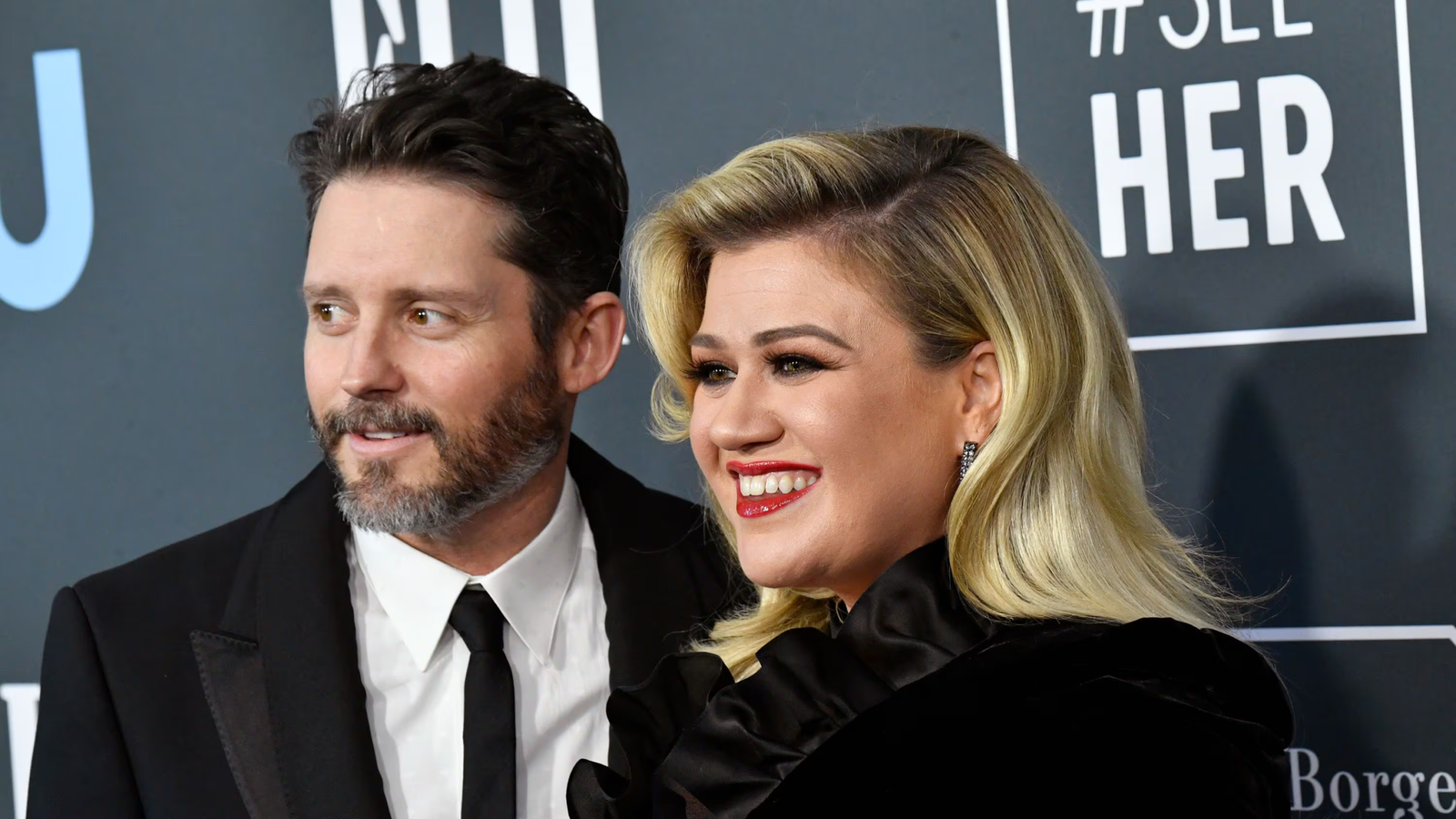
Brandon Blackstock illness has become one of those search phrases that spreads faster than verified facts. In recent years, curiosity around Brandon Blackstock has surged online, largely driven by his high-profile personal life, divorce from Kelly Clarkson, and ongoing media attention. But here is the truth that often gets buried beneath the noise: there is no publicly confirmed illness associated with him from credible medical or official sources.
Still, the keyword “Brandon Blackstock illness” continues to trend. Why? Because in the digital age, absence of information often creates speculation. And speculation, once it starts, tends to build its own momentum. This feature story breaks down how that curiosity formed, why it persists, and what it really says about modern celebrity narratives.
The Beginning: Where the “Brandon Blackstock Illness” Curiosity Started
H3: Public attention before personal detail
The early curiosity around Brandon Blackstock illness didn’t begin with verified health news. Instead, it emerged from his visibility as a talent manager and his connection to major entertainment figures. As his professional and personal life became more public, audience interest expanded beyond career updates into personal wellbeing.
Here is the kicker: when someone is adjacent to fame but not constantly speaking publicly, gaps form. Those gaps are often filled with assumptions rather than facts. Industry veterans often note that “silence in celebrity culture is rarely interpreted as neutrality—it’s interpreted as mystery.”
This dynamic set the stage for search behavior that linked his name with health-related speculation, even without official confirmation.
H3: Divorce headlines and emotional narrative spillover
A major spike in searches tied to Brandon Blackstock illness coincided with his widely reported divorce from singer Kelly Clarkson. Emotional public stories often trigger broader curiosity about a person’s life circumstances, including health.
It gets better—or more complicated—depending on perspective: when a celebrity relationship ends publicly, audiences tend to reinterpret every past and present detail through a new lens. Stress, lifestyle, and personal changes become subjects of guesswork.
However, there has never been verified reporting from reputable medical or direct family sources indicating any illness driving these events.
H3: The internet’s habit of “connecting dots”
The digital ecosystem rewards connection-making, even when connections are unverified. Once “Brandon Blackstock illness” appeared as a search pattern, algorithms amplified it through related queries and suggested searches.
The data suggests a shift toward curiosity-driven consumption rather than fact-driven research. In other words, people weren’t necessarily responding to news—they were responding to other people searching for news.
And that cycle, once started, becomes self-sustaining.
The Conflict: Rumors, Speculation, and the Reality Behind Brandon Blackstock Illness
H3: No confirmed illness, but persistent speculation
Despite ongoing search interest in Brandon Blackstock illness, there is no confirmed medical condition publicly disclosed by him or verified by reputable outlets. This is an important distinction often lost in online discussions.
What fuels speculation instead is absence: limited public appearances, selective privacy, and general curiosity about his post-divorce life. In celebrity culture, absence is often misread as evidence.
Here is the reality check: not every private figure connected to fame has a public health narrative to explain.
H3: Media amplification and narrative distortion
Once a topic like Brandon Blackstock illness enters online discourse, media ecosystems can unintentionally amplify it. Articles referencing “concerns,” “updates,” or “where is he now” can be interpreted by audiences as implying health issues, even when none are stated.
Industry veterans often note that modern entertainment reporting has shifted toward engagement-first headlines. That shift can blur the line between confirmed reporting and interpretive storytelling.
The result is a narrative loop: curiosity fuels articles, articles fuel searches, and searches reinforce curiosity.
H3: Privacy boundaries in a public-facing world
It gets even more complex when privacy enters the equation. While Brandon Blackstock has been publicly known due to his professional and personal associations, he is not a public health spokesperson or medical figure.
That matters. Because unlike entertainers who document their lives in real time, he has maintained a relatively private stance in recent years.
And that privacy creates a vacuum where Brandon Blackstock illness speculation can quietly grow without factual grounding.
Key Takeaways: What We Actually Know
- There is no confirmed medical report or official disclosure regarding Brandon Blackstock illness.
- Most online interest is driven by search behavior, not verified news.
- Public curiosity increased after high-profile personal life events, especially his divorce.
- Algorithms often amplify speculation-based keywords, even without factual backing.
- Privacy gaps in celebrity culture often lead to misinterpretation rather than information.
Here is the bottom line: search trends do not equal medical reality.
The Media Amplification Effect on Brandon Blackstock Illness Searches
H3: How search engines shape perception
Once Brandon Blackstock illness became a recurring search phrase, search engines and platforms began treating it as a “related interest cluster.” That means more content—regardless of verification—can appear in response to user curiosity.
This creates a feedback loop where visibility is mistaken for validity. The more something appears, the more “real” it feels to audiences, even when the underlying facts haven’t changed.
It gets better—or more complicated—when autocomplete suggestions begin shaping what people think they should ask next.
H3: Engagement-driven storytelling in modern media
Modern digital media operates heavily on engagement metrics like clicks, time-on-page, and scroll depth. That reality influences how topics like Brandon Blackstock illness are framed.
Even neutral stories can be interpreted emotionally depending on phrasing. Words like “concern,” “update,” or “where is he now” can subtly shift perception.
The data suggests that audiences engage more deeply with uncertainty than certainty, which incentivizes vague or speculative framing in some corners of the internet.
H3: The role of social media echo chambers
Social platforms amplify this effect further. Once users engage with content related to Brandon Blackstock illness, algorithms may surface similar content repeatedly.
Over time, this creates an echo chamber where repetition replaces verification. In such environments, perception becomes layered: what is seen often is assumed to be true.
But repetition is not evidence—it is exposure.
Impact and Transformation: How Public Perception Shapes Private Lives
H3: Professional identity vs. public narrative
For Brandon Blackstock, public identity has largely been defined through professional work and personal relationships rather than self-driven media presence.
That distinction matters when discussing Brandon Blackstock illness, because narratives often drift away from reality when individuals are not actively shaping their own public story.
Here is the kicker: absence of self-narration often leads others to narrate for you.
H3: The emotional weight of speculation
Even without verified illness, persistent speculation can have real emotional consequences. Being repeatedly associated with health rumors—accurate or not—can influence how a person is perceived publicly and privately.
Industry observers often note that reputational narratives can persist long after the facts have been clarified or disproven.
It gets better—or more revealing—when you realize that digital memory rarely forgets, even when the story evolves.
H3: Lessons in digital-age storytelling
The Brandon Blackstock illness search trend reflects a broader lesson: in the absence of verified information, narrative fills the gap.
This applies not just to celebrities but to anyone with a digital footprint. Once a keyword gains traction, it can become detached from its factual origin and evolve into a self-sustaining topic of curiosity.
The transformation here is not about health—it’s about how information behaves online.
Public Perception, Privacy, and the Modern Information Loop
H3: Why curiosity persists even without evidence
The persistence of Brandon Blackstock illness as a search term reveals something fundamental about digital culture: curiosity is often stronger than confirmation.
People search not only for answers but for meaning. When a public figure maintains privacy, that meaning becomes open-ended.
And open-ended stories tend to stay alive longer in search ecosystems.
H3: The responsibility of interpretation
It is easy to assume that repeated online mentions indicate truth. But responsible interpretation requires stepping back and asking what is actually verified.
In this case, verified reporting does not support claims of illness. What exists instead is a layered mix of curiosity, media framing, and algorithmic reinforcement.
Here is the kicker: clarity often gets less attention than speculation.
H3: Moving beyond rumor-driven narratives
Understanding topics like Brandon Blackstock illness requires separating emotional narrative from factual reporting. That distinction is increasingly important in a media environment designed for speed rather than verification.
The transformation, then, is not about the individual at the center of the search—but about how audiences consume information.
Conclusion: The Real Story Behind Brandon Blackstock Illness
The story of Brandon Blackstock illness is ultimately not a medical narrative—it is a media narrative. There is no confirmed illness publicly associated with Brandon Blackstock, despite persistent online search interest.
What exists instead is a case study in how digital curiosity forms, spreads, and sustains itself. From divorce headlines to algorithmic amplification, multiple forces contribute to the persistence of this keyword.
And here is the final takeaway: in the modern information landscape, what people search for is not always what is real—it is often what is unresolved.
You may Also Read: tycoonclub





Post Comment