Diana Ross Children: A Deep Dive Into Legacy, Family, and Stardom Beyond the Spotlight
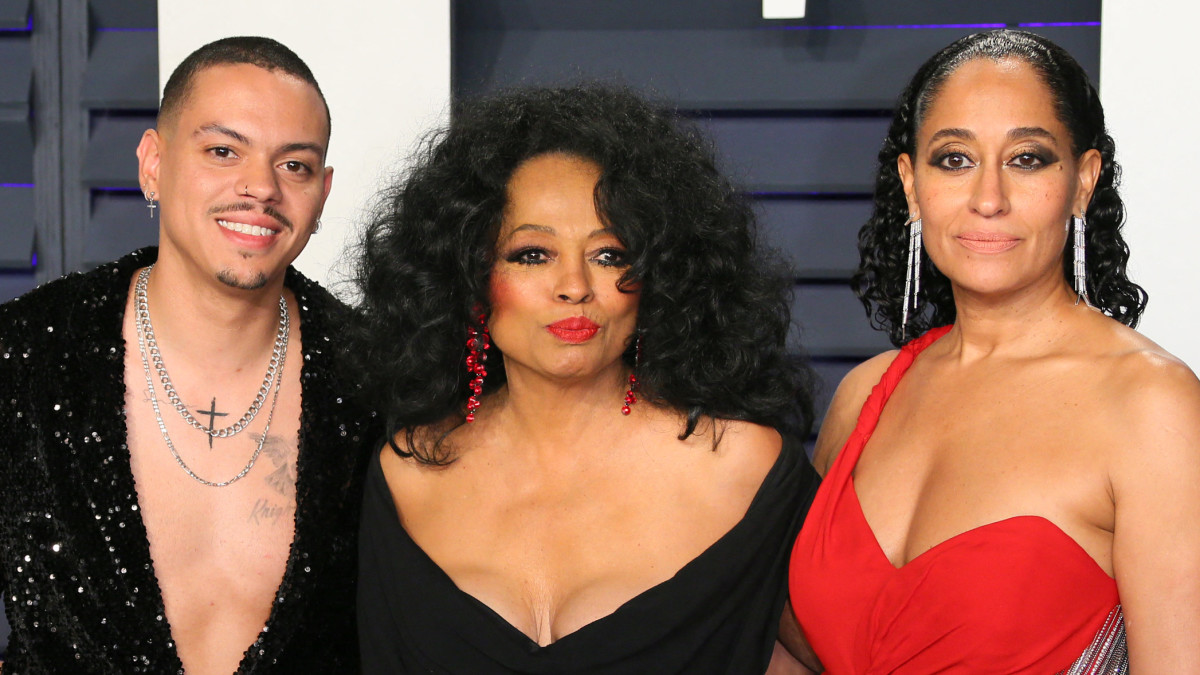
The story of Diana Ross children is not just a footnote in music history—it’s a multi-generational narrative shaped by fame, resilience, and identity. When people search for Diana Ross children, they’re often looking for more than names; they’re searching for how the legacy of one of Motown’s greatest voices shaped a family that would go on to influence entertainment, fashion, and culture in their own right.
This is a story of origin, conflict, and transformation. It begins with a global icon at the height of her career, moves through the complexities of raising children under intense public scrutiny, and ultimately evolves into a legacy of success carried forward by each of her children. And here is the kicker: each child didn’t just inherit fame—they had to define what it meant on their own terms.
The Origin of Diana Ross Children: Fame, Motherhood, and a New Beginning
Diana Ross stepped into motherhood while simultaneously rising to global superstardom. Industry veterans often note that balancing Motown-level fame with parenting in the 1970s was almost unheard of at the time. Yet, this is where the foundation of the Diana Ross children story begins—at the intersection of ambition and responsibility.
Her first child, Rhonda Ross Kendrick, was born during her relationship with Motown founder Berry Gordy. While Diana initially kept Rhonda’s true paternity private, this decision reflected the intense pressure of maintaining both personal and professional stability in a highly scrutinized industry. It gets better: this secrecy later transformed into a public story of reconciliation and truth.
As Diana’s career expanded internationally, she welcomed more children: Tracee Ellis Ross, Chudney Ross, and Ross Naess. Each child was born into a different phase of her career—when she was transitioning from Motown to Hollywood, from pop icon to cultural institution. The timing mattered. The children didn’t just grow up in fame—they grew up inside its evolution.
Experts in celebrity family dynamics often point out that children of global stars tend to either retreat from the spotlight or redefine it entirely. In the case of the Diana Ross children, both paths appear—sometimes within the same family.
The Conflict Behind the Curtain: Growing Up as Diana Ross Children
The reality of being a child of Diana Ross was not always glamorous. While the outside world saw luxury and privilege, the internal experience was shaped by travel, media attention, and emotional distance caused by demanding schedules. Here is the kicker: fame does not pause for parenting.
Tracee Ellis Ross, perhaps the most publicly visible of the Diana Ross children, has often spoken about growing up in a household where independence was essential. Diana’s career required constant movement, which meant her children learned resilience early. Industry analysts often describe this as “structured independence”—a parenting style where emotional support exists, but autonomy is required from a young age.
For Rhonda, Chudney, Ross, and Evan Ross, each journey diverged. Rhonda embraced music and education, ultimately discovering her identity in performance and teaching. Tracee pursued acting and became a cultural force through Black-ish. Chudney moved toward education and production. Ross Naess leaned into entrepreneurship and adventure branding. Evan Ross carved a dual path in acting and music.
But it wasn’t always smooth. The children had to navigate public assumptions that success was automatic. The data suggests a shift toward children of celebrities actively rejecting “inheritance identity” and building self-made credibility instead. In the case of the Diana Ross children, this trend is especially visible
Family Identity and Public Perception: The Real Story of Diana Ross Children
Public perception often simplifies celebrity families into labels, but the truth behind the Diana Ross children is more layered. Each child has had to define their own relationship with fame, identity, and expectation.
Tracee Ellis Ross, for example, built a career that stands entirely on her own merit in television and fashion. While she acknowledges her mother’s influence, she has consistently emphasized independence. Industry veterans often note that her success is a textbook case of “legacy without dependency.”
Meanwhile, Evan Ross represents another dimension—blending music, acting, and collaboration with his wife, singer Ashlee Simpson. His career reflects a modern entertainment model where cross-industry identity is the norm rather than the exception.
And then there is Rhonda Ross Kendrick, whose journey into music and motivational speaking shows a more reflective and intellectual engagement with identity. It gets better: she eventually built a public relationship with Berry Gordy, turning a once-private story into a celebrated reconciliation narrative.
Across all of them, the common thread is transformation. The Diana Ross children did not remain in the shadow of fame—they redefined what being “a child of Diana Ross” means in a modern cultural context.
Key Takeaways: The Legacy of Diana Ross Children
- The Diana Ross children grew up during different stages of her evolving global career, shaping unique personal identities.
- Each child pursued a distinct path—acting, music, entrepreneurship, or education—rather than relying solely on legacy.
- Public perception often underestimated the emotional complexity of growing up in a high-profile household.
- Independence, reinvention, and resilience are recurring themes across all of Diana Ross’s children.
- The Ross family narrative reflects a broader trend of celebrity children building self-defined careers.
The Transformation: How Diana Ross Children Built Their Own Legacies
Transformation is the defining chapter in the story of the Diana Ross children. What began as life under the spotlight evolved into individual narratives of achievement, reinvention, and cultural influence.
Tracee Ellis Ross stands at the forefront of this transformation. Her work in television and her advocacy for self-love and identity have made her a cultural icon in her own right. Here is the kicker: she often challenges industry norms around beauty, aging, and representation, extending her influence far beyond entertainment.
Chudney Ross built her identity in education and production, focusing on children’s literacy and creative learning. Her work reflects a shift toward purpose-driven careers among celebrity offspring—an emerging trend supported by entertainment industry research.
Ross Naess pursued entrepreneurship, particularly in eco-conscious ventures and lifestyle branding. His path reflects the modern blending of business, sustainability, and personal branding. Meanwhile, Evan Ross continues to evolve as both actor and musician, often collaborating across artistic platforms.
Experts often highlight that second-generation celebrity success is no longer about imitation—it’s about differentiation. The Diana Ross children exemplify this shift more than most.
The Cultural Impact of Diana Ross Children in Modern Entertainment
The influence of the Diana Ross children extends beyond their individual careers. Collectively, they represent a shift in how legacy families function in modern entertainment culture.
Industry analysts note that earlier generations of celebrity families often leaned heavily on inherited fame. Today, however, audiences expect authenticity and individual contribution. This has pushed the Ross children to operate as independent brands rather than extensions of their mother’s legacy.
It gets better: their success has also reshaped how Diana Ross herself is viewed—not just as a performer, but as the matriarch of a creative dynasty. The balance between individual identity and family legacy has become a defining cultural narrative.
From Hollywood to music to entrepreneurship, the Diana Ross children have helped redefine what legacy means in the 21st century. Their impact is not just inherited—it is actively built, challenged, and expanded with every new generation.
Conclusion: The Living Legacy of Diana Ross Children
The story of the Diana Ross children is ultimately a story about evolution. From the pressures of growing up in one of the most famous households in entertainment history to the creation of independent, meaningful careers, each child represents a different facet of resilience and reinvention.
And here is the final takeaway: legacy is not a destination—it is a starting point. The Diana Ross children did not simply inherit a name; they transformed it into a platform for individuality, creativity, and cultural relevance.
You may Also Read: tycoonclub



Post Comment