7 Powerful Truths About Hugo Bachega Accent That Will Impress You
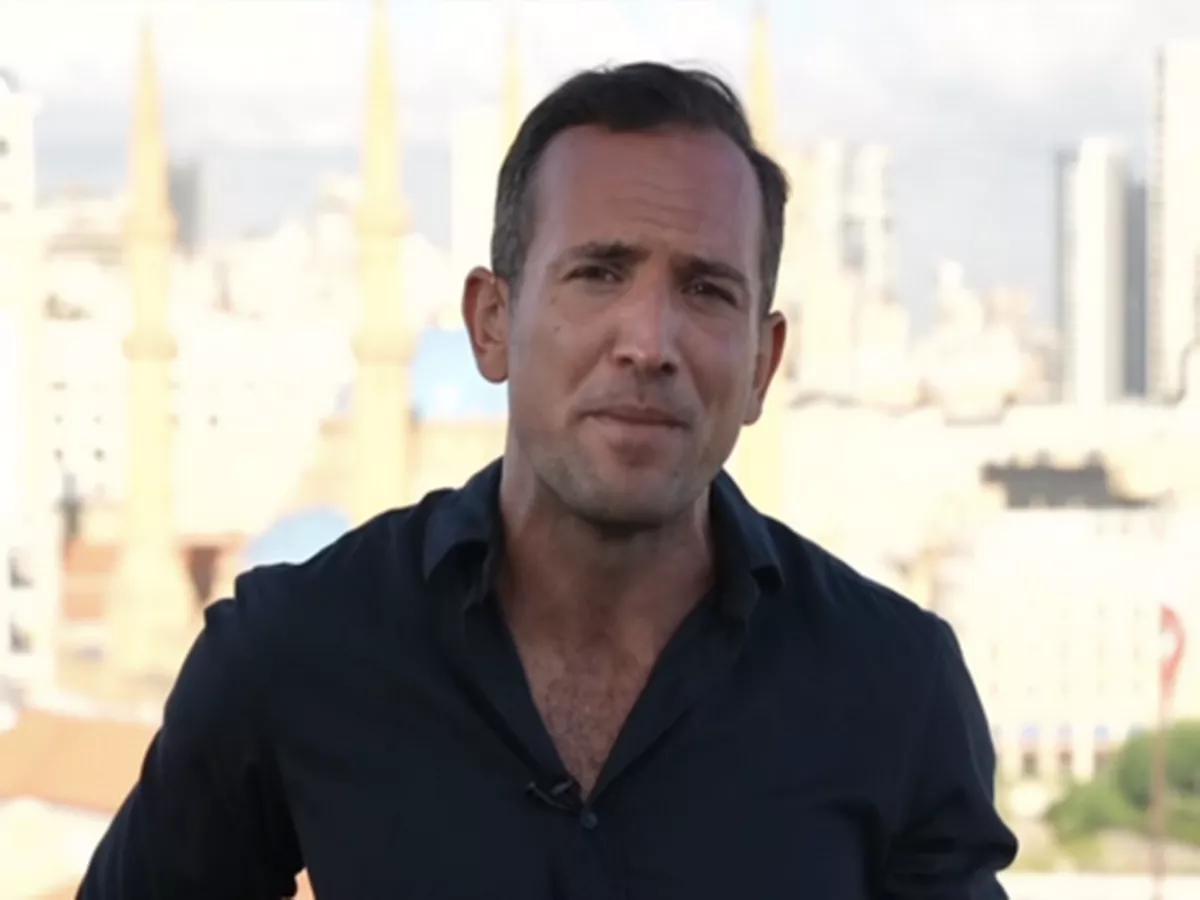
Have you ever listened to a news report and found yourself more focused on the speaker’s voice than the story itself? That is exactly what happens to many viewers when they hear the Hugo Bachega accent. It feels familiar yet distinctive, polished yet human. So what makes it stand out so much, and why do people keep talking about it?
In this article, we will take a deep dive into the Hugo Bachega accent, exploring where it comes from, how it developed, and why it resonates with such a global audience. Written in a relaxed but authoritative tone, this guide unpacks the linguistic, cultural, and professional layers behind his speech style. By the end, you will understand why his accent is not just a way of speaking but a powerful communication tool.
Understanding the Hugo Bachega Accent
The Hugo Bachega accent often sparks curiosity because it does not fit neatly into a single category. Many listeners struggle to place it, which only adds to its intrigue. At first glance, it sounds polished and international, yet there are subtle hints of diverse linguistic influences beneath the surface.
One reason this accent stands out is its balance. It avoids extremes. It does not lean too heavily into a traditional British tone, nor does it sound distinctly American. Instead, it occupies a neutral space that feels accessible to global audiences. This neutrality is especially valuable in international journalism, where clarity matters more than regional identity.
Another important element is pronunciation. Hugo Bachega articulates words clearly without sounding forced or unnatural. His vowel sounds are controlled, consonants are crisp, and the rhythm of his speech flows smoothly. These qualities make his reports easy to follow, even when covering complex or emotionally charged topics.
Finally, the accent feels authentic. It does not sound rehearsed or artificially modified. That authenticity builds trust with listeners, which is essential for a journalist working on major international stories. People may not consciously analyze his accent, but they feel its impact instantly.
Cultural Roots Behind the Hugo Bachega Accent
To truly understand the Hugo Bachega accent, you need to look beyond geography and into cultural exposure. Accents are shaped not only by where someone is born but also by where they study, work, and interact with others over time. In Hugo Bachega’s case, this exposure plays a major role.
Living and working in international environments naturally influences speech patterns. When someone regularly communicates with people from different countries, their accent often adapts. Over time, strong regional markers soften, replaced by clearer, more globally understood pronunciation. This process happens subconsciously, not by design.
Cultural sensitivity also shapes how a person speaks. Journalists who operate on a global stage learn quickly that certain pronunciations and speech rhythms work better for diverse audiences. The Hugo Bachega accent reflects this awareness. It prioritizes understanding over personal linguistic identity.
Additionally, multilingual exposure can influence accent development. Even if English is the primary language used professionally, familiarity with other languages affects tone, pacing, and emphasis. This layered linguistic background gives his accent depth and subtle complexity that listeners often sense but cannot easily explain.
Why the Hugo Bachega Accent Sounds So Professional
Professionalism in speech goes far beyond vocabulary choice. The Hugo Bachega accent conveys authority because of how it aligns with the expectations of broadcast journalism. Every element of his speech supports clarity, credibility, and calmness.
One key factor is pacing. He speaks at a measured speed that allows listeners to absorb information without feeling rushed. This controlled tempo is especially important in breaking news situations, where emotions can run high. His accent supports this calm delivery rather than distracting from it.
Tone consistency also plays a role. His voice rarely fluctuates dramatically unless the story demands it. This steadiness reassures audiences and reinforces trust. The accent complements this tone by avoiding exaggerated inflections or overly casual expressions.
Another reason his accent feels professional is familiarity. Global audiences have grown accustomed to a certain “international news voice.” While that voice varies slightly from person to person, it often includes neutral pronunciation, clear diction, and restrained emotion. The Hugo Bachega accent fits comfortably within this framework while still retaining individuality.
Public Perception of the Hugo Bachega Accent
Public reaction to the Hugo Bachega accent has been overwhelmingly positive. Many viewers describe it as calm, reassuring, and easy to listen to. In an age of fast news cycles and constant updates, that quality is more valuable than ever.
Listeners often associate his accent with credibility. This connection is not accidental. Research shows that people tend to trust speakers whose accents are clear and familiar. A neutral, well-balanced accent reduces cognitive effort, allowing audiences to focus on the message rather than the delivery.
Some people even find the accent comforting. During serious or sensitive coverage, a steady and composed voice can make difficult information easier to process. The Hugo Bachega accent supports this emotional balance by maintaining warmth without losing professionalism.
Of course, not everyone analyzes accents consciously. However, the widespread discussion around his speech style suggests that it leaves a strong impression. When an accent becomes a topic of conversation, it usually means it has achieved something rare: memorability without distraction.
Accent Neutrality and Global Journalism
Accent neutrality has become a defining feature of modern international journalism, and the Hugo Bachega accent is a strong example of this trend. Neutral does not mean bland. Instead, it means adaptable, inclusive, and widely understood.
In global reporting, journalists speak to audiences from many linguistic backgrounds. A heavily regional accent can unintentionally create barriers. Neutral accents help remove those barriers by prioritizing clarity over local identity. Hugo Bachega’s speech reflects this professional reality.
However, neutrality does not erase personality. His accent still carries warmth and human presence. This balance is difficult to achieve but crucial for effective storytelling. It allows him to connect with viewers while maintaining journalistic distance.
The rise of digital media has further amplified the importance of neutral accents. News clips now travel instantly across borders. A voice that works well in one country must also work everywhere else. The Hugo Bachega accent succeeds in this environment because it was shaped within it.
How the Hugo Bachega Accent Influences Credibility
Credibility is the cornerstone of journalism, and accent plays a surprisingly large role in shaping it. The Hugo Bachega accent enhances credibility by aligning with listener expectations of authority and reliability.
Clear pronunciation reduces misunderstandings. When listeners do not have to strain to understand words, they are more likely to trust the speaker. This trust extends beyond language into perception of expertise. Hugo Bachega’s accent supports this clarity consistently.
There is also an emotional dimension. Calm, steady speech signals control and confidence. During crisis reporting, these signals matter deeply. The accent reinforces his composed delivery, helping audiences feel informed rather than overwhelmed.
Importantly, credibility built through accent is subtle. It does not draw attention to itself. Instead, it works quietly in the background, supporting the message. That subtlety is one of the greatest strengths of the Hugo Bachega accent.
Can an Accent Like Hugo Bachega’s Be Learned?
Many people wonder if the Hugo Bachega accent can be learned or replicated. The short answer is yes, but with important caveats. Accents are shaped over time through exposure, practice, and genuine communication, not quick fixes.
Developing a similar accent would involve focusing on clarity rather than imitation. This means improving pronunciation, controlling pacing, and practicing neutral intonation. Listening to international broadcasters and paying attention to how they stress words can help.
However, authenticity matters. Trying to copy an accent too closely can sound forced. Hugo Bachega’s accent works because it reflects his real experiences and environment. The goal should not be to sound exactly like him but to adopt the principles behind his speech style.
Ultimately, the lesson is not about accent alone. It is about communication. The Hugo Bachega accent succeeds because it serves the message. Anyone can learn from that approach, regardless of their natural speech pattern.
Why the Hugo Bachega Accent Continues to Fascinate Audiences
The ongoing fascination with the Hugo Bachega accent reveals something deeper about how we consume media today. Audiences crave voices they can trust, understand, and connect with emotionally. His accent meets all three needs.
It also reflects a broader shift toward global identity. As borders become less relevant in media, voices that transcend regional boundaries gain importance. Hugo Bachega’s speech style feels modern because it belongs everywhere and nowhere at once.
Another reason for its appeal is consistency. Viewers know what to expect when they hear his voice. That predictability creates comfort, especially in uncertain times. The accent becomes part of the viewing experience, not just a vehicle for information.
Finally, the fascination persists because the accent feels natural. It does not try to impress. It simply works. In a world full of noise, that quiet effectiveness stands out.
Conclusion: on Hugo Bachega Accent
The Hugo Bachega accent is far more than a curiosity. It is a carefully evolved communication style shaped by culture, professionalism, and global experience. Its clarity, neutrality, and authenticity make it a powerful asset in international journalism.
Rather than overpowering his reporting, the accent supports it. It builds trust, enhances credibility, and creates connection without demanding attention. That balance is rare and valuable.





Post Comment