The Controversy Surrounding Rhian Butlin Unnecessary Hysterectomy
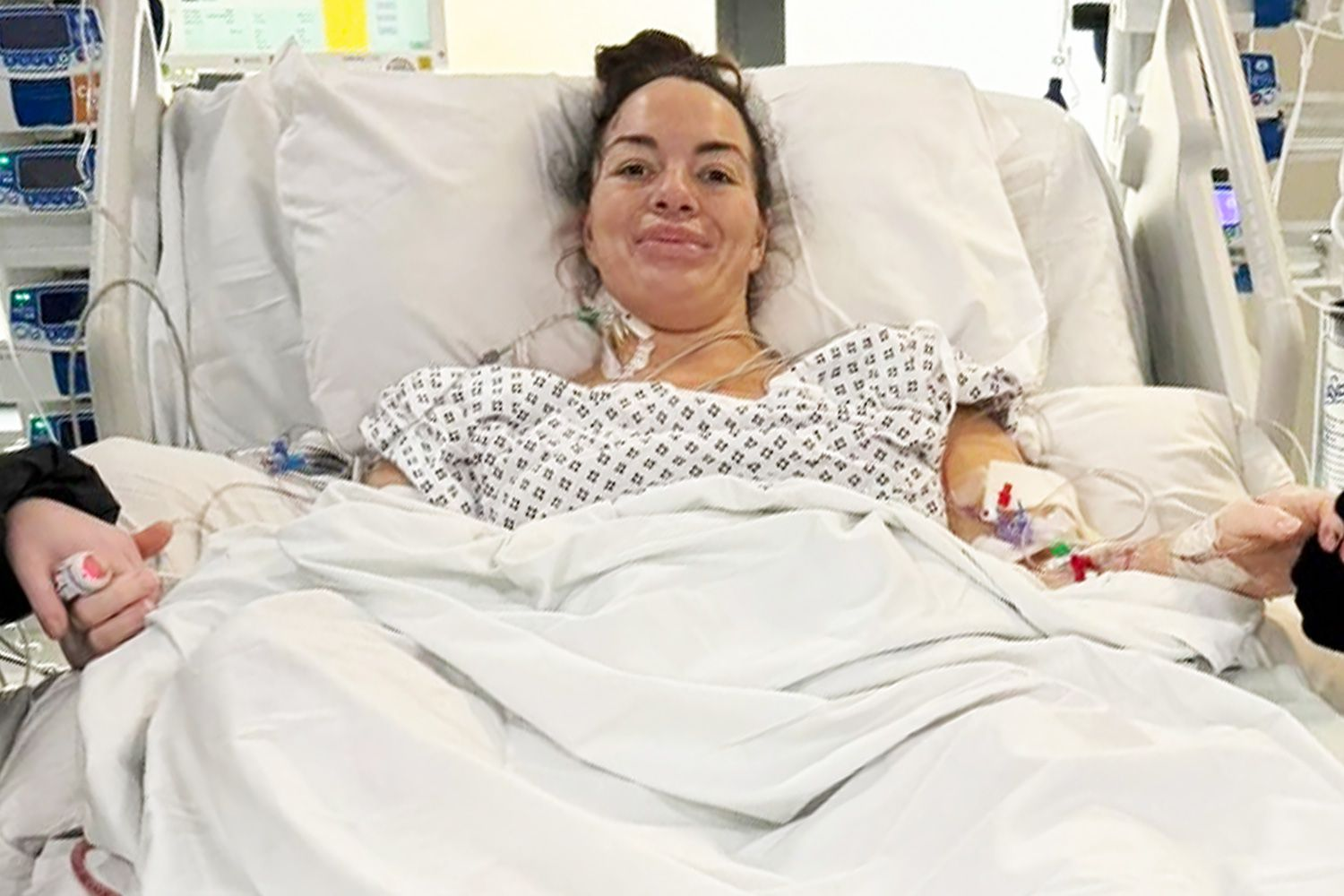
The case of rhian butlin unnecessary hysterectomy has sparked intense debate within the medical community and among patient advocacy groups. It raises crucial questions about patient consent, medical ethics, and the oversight of surgical procedures. In recent months, this case has gained attention due to its implications for women’s health and the practices of some medical institutions. Understanding the full context is vital to appreciating why rhian butlin unnecessary hysterectomy has become a topic of both concern and discussion.
What Happened in the Rhian Butlin Case
The story of rhian butlin unnecessary hysterectomy begins with a routine medical consultation that unexpectedly turned into a life-changing surgical intervention. Rhian Butlin, like many women, sought medical advice for a condition that seemed manageable through non-invasive means. However, the recommended treatment escalated to a hysterectomy—a procedure that removes the uterus—despite alternative treatments being available.
Medical records and patient testimonies have since revealed discrepancies between the recommended procedures and the actual necessity of the surgery. The term rhian butlin unnecessary hysterectomy refers specifically to this debate: whether the procedure was medically justified or an unnecessary intervention. Many experts argue that this case highlights systemic issues in how decisions are made in gynecological care, particularly regarding patient autonomy and informed consent.
Furthermore, rhian butlin unnecessary hysterectomy has brought attention to the emotional and psychological impact such surgeries can have. Women undergoing hysterectomies face not only physical recovery but also potential long-term effects, such as hormonal changes and fertility loss, which makes unnecessary procedures especially concerning.
The Medical Perspective on Unnecessary Hysterectomies
From a medical standpoint, hysterectomies are significant surgeries, usually recommended for conditions like severe fibroids, cancer, or uncontrolled bleeding. However, the case of rhian butlin unnecessary hysterectomy illustrates a growing concern about over-treatment. Some studies indicate that a percentage of hysterectomies performed worldwide may be avoidable with proper diagnostics and non-surgical interventions.
Physicians are ethically obliged to ensure patients are fully informed about all available options, including risks and alternatives. In the context of rhian butlin unnecessary hysterectomy, questions have arisen about whether these standards were met. Experts emphasize that informed consent is not merely a signature on a form—it involves thorough discussions and ensuring the patient understands the implications of the surgery.
The controversy has also ignited conversations about systemic pressures in hospitals, such as financial incentives or time constraints, which might inadvertently influence the decision to perform major surgeries like hysterectomies. Cases like rhian butlin unnecessary hysterectomy serve as cautionary tales for both healthcare providers and regulatory bodies to reinforce ethical decision-making.
Legal and Ethical Implications
The legal and ethical dimensions of rhian butlin unnecessary hysterectomy are complex. Legally, patients have the right to sue for medical negligence if a procedure is performed without adequate justification or consent. However, proving that a hysterectomy was unnecessary can be challenging, requiring detailed medical evidence and expert testimony.
Ethically, rhian butlin unnecessary hysterectomy has sparked debate about the trust patients place in healthcare providers. Medical ethics prioritize patient welfare above all, yet cases like this highlight gaps in accountability and oversight. Advocacy groups argue that such incidents underscore the need for stricter monitoring of surgical decisions and better patient education.
Moreover, rhian butlin unnecessary hysterectomy demonstrates the importance of second opinions in medical care. Seeking multiple professional perspectives can help ensure that invasive procedures are genuinely necessary, reducing the risk of unnecessary interventions and reinforcing patient autonomy.
The Impact on Rhian Butlin and Public Awareness
For Rhian Butlin, the repercussions of her experience extend beyond medical considerations. The term rhian butlin unnecessary hysterectomy has become emblematic of the personal toll unnecessary surgeries can take. Patients like Butlin often face emotional stress, hormonal imbalances, and challenges in post-operative recovery that can affect their quality of life for years.
Public awareness campaigns have used rhian butlin unnecessary hysterectomy as a case study to educate women about their rights in healthcare. The case encourages patients to ask questions, demand transparency, and advocate for themselves, emphasizing that medical decisions should always be collaborative rather than imposed.
Additionally, rhian butlin unnecessary hysterectomy has fueled discussions on social media and in health forums, where women share their experiences and concerns about medical overreach. This ongoing dialogue helps amplify the voices of patients and encourages systemic change in how elective and invasive procedures are recommended.
Lessons for the Medical Community
The fallout from rhian butlin unnecessary hysterectomy offers several lessons for healthcare providers. First, it underscores the importance of prioritizing patient education and informed consent. Second, it highlights the need for rigorous oversight to prevent unnecessary procedures that carry significant physical and emotional risks.
Medical institutions can learn from rhian butlin unnecessary hysterectomy by implementing stricter protocols for surgical justification, encouraging second opinions, and fostering a culture where questioning medical advice is supported rather than discouraged. Ultimately, the case serves as a reminder that patient welfare must remain at the center of medical practice.
Finally, rhian butlin unnecessary hysterectomy also emphasizes the importance of empathy in patient care. Beyond the technical and legal aspects, healthcare providers must recognize the profound personal impact that major surgeries can have, ensuring that patients are treated with respect, dignity, and compassion throughout the process.
Conclusion
The story of rhian butlin unnecessary hysterectomy is a cautionary tale about the potential consequences of medical overreach. It underscores the importance of informed consent, ethical medical practices, and patient advocacy. As the medical community continues to evolve, cases like this serve as reminders to prioritize transparency, accountability, and patient-centered care.
By examining the details of rhian butlin unnecessary hysterectomy, we gain a clearer understanding of the systemic issues at play and the urgent need to protect patients from unnecessary surgical interventions. This case not only highlights the challenges in modern healthcare but also provides an opportunity to improve practices and ensure that patient welfare always comes first.





Post Comment