Sulayman Chappelle: Inside the Private Life, Legacy, and Quiet Influence of Dave Chappelle’s Son
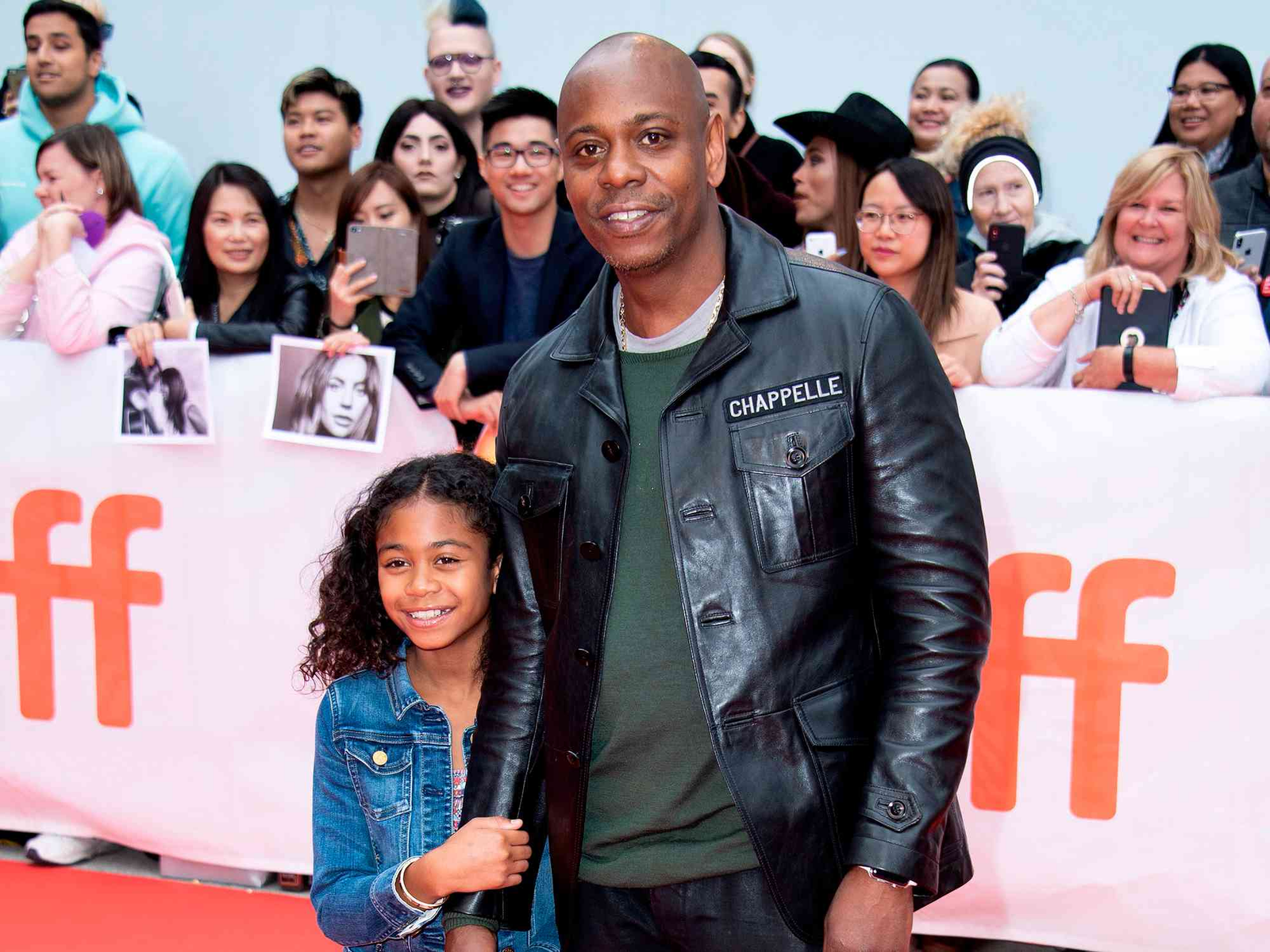
Sulayman Chappelle is a name that draws curiosity largely because of one powerful reason: his father is legendary comedian Dave Chappelle. Yet unlike many celebrity children who grow up in the spotlight, Sulayman Chappelle represents something increasingly rare in modern pop culture—intentional privacy in an era of constant exposure. In this deep feature, we explore Sulayman Chappelle’s life journey, the environment that shaped him, and the broader cultural meaning behind his quiet existence in a loud world.
What makes Sulayman Chappelle especially intriguing is not what is publicly known, but what is deliberately kept private. That tension between fame and anonymity creates a narrative worth exploring. Here is the kicker: sometimes the most powerful stories are the ones that refuse to be fully told.
The Beginning (Origin) of Sulayman Chappelle
Family Roots and Early Environment
Sulayman Chappelle was born into one of the most recognizable families in modern entertainment, yet his upbringing was intentionally structured to remain grounded. His father, Dave Chappelle, is widely regarded as one of the most influential comedians of his generation, known for sharp social commentary and cultural critique. His mother, Elaine Mendoza Erfe, has consistently maintained a low public profile, helping create a balanced family environment centered around privacy rather than publicity.
Industry observers often note that children raised in such households tend to develop a unique relationship with fame—seeing it from the inside but not necessarily participating in it. Sulayman Chappelle’s early environment is frequently described in media commentary as stable, private, and intentionally removed from Hollywood’s usual exposure cycles. This choice alone sets the tone for his entire life story.
It gets better: this environment wasn’t accidental. Dave Chappelle famously stepped away from Hollywood at the height of his career, choosing a quieter life in Ohio. That decision shaped not just his own trajectory, but also the childhood of his children, including Sulayman.
Growing Up Away from the Spotlight
Unlike many celebrity families who remain centered in Los Angeles or New York, the Chappelle household established roots in Yellow Springs, Ohio—a small town known more for community values than celebrity culture. Sulayman Chappelle grew up in this environment, where anonymity was more accessible and fame was treated as something external rather than internal.
Experts in celebrity psychology often emphasize that geography plays a critical role in identity formation. In Sulayman Chappelle’s case, growing up in a quieter setting likely reduced the intensity of public scrutiny. Instead of red carpets and paparazzi, his daily life was shaped by school routines, community interactions, and family privacy norms.
And here is the kicker: this kind of upbringing often produces individuals who are comfortable with identity outside of fame. Sulayman Chappelle’s story fits into a broader pattern seen among children of high-profile figures who choose to remain outside the entertainment spotlight.
The Conflict (Challenges) in Sulayman Chappelle’s Life
Navigating Fame Without Choosing It
One of the most defining challenges in Sulayman Chappelle’s life is the inherited nature of public attention. Even without actively seeking media presence, being the child of Dave Chappelle automatically places him within a cultural spotlight.
Industry veterans often note that children of global entertainers face a unique psychological dynamic: they must develop identity independence while constantly being associated with someone else’s legacy. Sulayman Chappelle exists within that framework, where curiosity about him often stems not from his own public actions, but from his father’s fame.
It gets more complex: unlike celebrities who build reputations over time, Sulayman Chappelle’s public narrative is largely shaped by external speculation rather than self-defined visibility. That creates a subtle but persistent challenge—maintaining individuality while being continuously linked to a global icon.
Privacy vs Public Curiosity
In today’s digital ecosystem, privacy is increasingly difficult to maintain, especially for individuals connected to high-profile figures. Sulayman Chappelle’s life reflects a broader cultural tension between public curiosity and personal boundaries.
The data suggests a shift toward stronger privacy protection among celebrity families, particularly those who experienced the downsides of overexposure in earlier decades. Dave Chappelle himself has been vocal about protecting his family’s privacy, which directly influences how much information about Sulayman Chappelle enters public discourse.
Here is the kicker: this intentional privacy creates its own form of fame. The less visible Sulayman Chappelle remains, the more interest he generates. This paradox is a defining feature of modern celebrity culture.
The Transformation (Impact and Perspective)
Lessons from a Private Upbringing
While Sulayman Chappelle does not maintain a public persona, his life still offers valuable insights into modern identity formation within celebrity families. One of the most significant takeaways is the importance of boundaries.
Experts in family psychology often emphasize that children raised with clear privacy boundaries tend to develop stronger personal autonomy. Sulayman Chappelle’s upbringing reflects this principle, where exposure to fame is balanced by a strong emphasis on normalcy and separation from media culture.
It gets better: this type of environment often allows individuals to explore identity without external pressure. While the public may not see Sulayman Chappelle’s personal or professional choices, the foundation he was raised in suggests a focus on independence rather than expectation.
The Influence of Dave Chappelle’s Legacy
It is impossible to discuss Sulayman Chappelle without acknowledging the cultural weight of his father’s legacy. Dave Chappelle is not just a comedian; he is a cultural commentator whose work has shaped conversations around race, society, and free speech.
Industry analysts often note that children of influential figures experience a dual inheritance: opportunity and expectation. For Sulayman Chappelle, this means growing up in proximity to immense cultural influence while also having the freedom to remain outside of it.
Here is the kicker: legacy does not always demand participation. Sometimes, it simply provides context. Sulayman Chappelle’s life illustrates how legacy can exist without public replication.
Key Takeaways
- Sulayman Chappelle represents a rare case of intentional privacy in a hyper-public celebrity culture
- His upbringing in Ohio provided a grounded environment away from entertainment industry pressure
- Much of public interest in Sulayman Chappelle stems from association rather than personal exposure
- Privacy can itself become a form of cultural influence in the digital age
- Celebrity children often face identity formation challenges tied to inherited fame
- Dave Chappelle’s protective approach to family life plays a major role in shaping Sulayman’s low-profile existence
What Sulayman Chappelle Represents in Modern Celebrity Culture
The Shift Toward Privacy for Celebrity Children
In recent years, there has been a noticeable shift in how celebrity families manage public exposure. Sulayman Chappelle’s life reflects this broader trend toward controlled visibility, where public figures actively shield their children from unnecessary media attention.
Experts in media studies suggest that this shift is partly a reaction to the overexposure of earlier celebrity generations. The rise of social media has intensified scrutiny, making privacy not just a preference but a strategic necessity.
It gets better: this cultural shift is redefining what it means to be “connected” to fame. Sulayman Chappelle stands as an example of how a person can exist within celebrity proximity without being consumed by it.
Final Reflection
Sulayman Chappelle’s story is not one of public achievement, viral moments, or media headlines. Instead, it is a narrative defined by restraint, intentional distance, and the quiet power of privacy.
In a world that rewards visibility, Sulayman Chappelle represents the opposite choice—and that alone makes his story compelling. The absence of public information is not emptiness; it is structure. It is a decision shaped by family values, cultural awareness, and an understanding of fame’s double-edged nature.
And here is the final kicker: sometimes the most influential lives are not the ones we can fully see, but the ones that remind us what it means to remain unseen.



Post Comment