Christmas Scene: Capturing the Magic of the Holiday Season
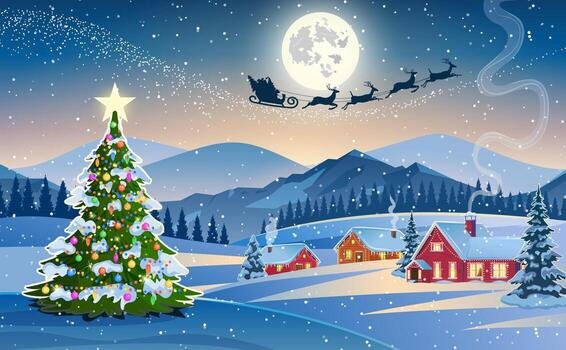
The holiday season is a time of warmth, joy, and celebration. One of the most cherished ways people express the festive spirit is through creating a Christmas scene. Whether it’s a cozy arrangement in your living room, a vibrant display in your town square, or a meticulously crafted miniature village, a Christmas scene can transform ordinary spaces into something magical. These scenes are not just decorations—they tell a story, evoke memories, and bring communities together.
A well-set Christmas scene often combines elements of light, color, and tradition to create an atmosphere of wonder. Twinkling lights, sparkling ornaments, and carefully positioned figurines help to recreate the feeling of the season. From Nativity displays that honor the religious origins of Christmas to playful setups featuring Santa Claus and his reindeer, each scene reflects a unique blend of culture, creativity, and personal expression.
In addition to their visual appeal, Christmas scenes also play a significant role in family traditions. Children eagerly participate in setting up the tree, arranging figurines, or adding finishing touches to the decorations. These moments become cherished memories, often retold during future holiday seasons. Moreover, Christmas scenes provide an opportunity for artistic expression, allowing both adults and children to explore creativity and imagination in a festive context.
Finally, a well-crafted Christmas scene can extend beyond the home. Towns and cities worldwide often compete to create the most spectacular displays. Public squares, shopping centers, and streets come alive with lights, sculptures, and themed decorations, drawing visitors and spreading holiday cheer. In essence, the Christmas scene is not just a decoration—it’s a celebration of culture, art, and community.
The History of Christmas Scenes
The tradition of decorating for Christmas has evolved over centuries, and the Christmas scene has a rich historical background. Early Christmas celebrations were modest, often involving simple gatherings and religious observances. Over time, the practice of setting up scenes to depict holiday stories became popular, particularly with the introduction of the Nativity scene.
Nativity scenes, also known as crèches, originated in the 13th century. Saint Francis of Assisi is credited with creating the first live Nativity scene to help people visualize the birth of Jesus. These early scenes featured real people, animals, and handcrafted props, allowing attendees to experience the story in a tangible way. The idea quickly spread across Europe and eventually became a beloved Christmas tradition.
As Christmas celebrations evolved, the Christmas scene expanded beyond religious depictions. By the 19th century, scenes featuring Santa Claus, Christmas trees, and festive villages became increasingly popular. The advent of commercial decorations and mass-produced figurines made it easier for families to create elaborate displays at home. The Christmas scene became a canvas for creativity, blending religious, cultural, and secular elements.
In modern times, Christmas scenes have taken on even greater diversity. Some focus on classic religious themes, while others celebrate the whimsical and playful aspects of the holiday. Communities around the world have embraced the tradition, using light displays, mechanical setups, and even digital projections to create stunning visual experiences. Today, the Christmas scene is both a nod to tradition and a reflection of contemporary festive culture.
Elements of a Perfect Christmas Scene
Creating an effective Christmas scene requires careful planning and attention to detail. A successful display combines several elements, including lighting, figurines, natural materials, and decorative accents. Each element contributes to the overall atmosphere and helps to tell a story. christmas scene
Lighting is perhaps the most important aspect of a Christmas scene. Twinkling lights, candles, or LED displays add warmth and magic, drawing attention to key features. The strategic placement of lights can create depth and highlight focal points, such as a Nativity centerpiece or Santa’s sleigh. Colored lights may evoke different moods, from a traditional white glow to vibrant reds, greens, and golds.
Figurines and characters are also central to any Christmas scene. Nativity scenes feature Mary, Joseph, baby Jesus, shepherds, and wise men, while secular displays may include Santa Claus, elves, snowmen, and reindeer. Choosing high-quality figurines and positioning them thoughtfully enhances realism and engages viewers. In some cases, miniature villages with houses, trees, and people add layers of detail, turning the scene into a small, self-contained world.
Natural materials and decorative accents further enhance a Christmas scene. Pine cones, evergreen branches, holly, and berries evoke a sense of the outdoors and connect the scene to traditional winter imagery. Ribbons, ornaments, and tinsel add sparkle and festive color. Even small details, like faux snow or tiny street lamps, contribute to the immersive quality of the display. Altogether, these elements work in harmony to create a visually appealing and emotionally resonant Christmas scene.
Christmas Scene Ideas for Your Home
Designing a Christmas scene at home can be both fun and rewarding. The key is to match the scene to your available space, style, and personal traditions. One classic idea is a Nativity-focused display, which can range from a simple tabletop setup to an elaborate shelf or mantelpiece arrangement. Using figurines, small lights, and natural elements like moss or hay can bring the scene to life.
Another popular option is a Santa-themed scene. This often includes Santa Claus, his sleigh, reindeer, and elves busy at work. Adding a mini Christmas tree, gift boxes, and festive lights can turn a corner of your living room into a whimsical holiday wonderland. For families with children, this type of scene can become interactive, with children helping to “deliver” gifts or move characters around.
For a more modern or artistic approach, consider creating a miniature Christmas village. These scenes can include small houses, shops, ice-skating rinks, and townspeople. Lighting and snow effects enhance realism, making it feel like a tiny festive town. Some enthusiasts even add train sets or mechanical features for added movement and interest. A village scene encourages creativity, as each year new buildings or characters can be added to evolve the display.
Finally, don’t overlook outdoor Christmas scenes. Front yards can be transformed with illuminated displays, life-sized figures, and themed decorations. From simple light arrangements to elaborate storytelling setups, outdoor scenes are perfect for sharing holiday cheer with neighbors and passersby. Whether inside or outside, a thoughtfully designed Christmas scene becomes a centerpiece of the festive season.
Christmas Scenes Around the World
The tradition of creating a Christmas scene is celebrated in various ways around the world, reflecting diverse cultures and customs. In Italy, for instance, elaborate Nativity scenes called “presepi” are a central part of Christmas celebrations. Artisans often craft intricate figurines and scenes that depict not only the Nativity but also local village life, complete with market stalls, animals, and townspeople.
In Germany, the Christmas scene often incorporates miniature villages and Advent-themed displays. Markets feature handcrafted figurines, wooden ornaments, and candle-lit scenes that celebrate both the religious and cultural aspects of the holiday. Traditional German Nativity scenes are known for their attention to detail and historical accuracy.
In Latin American countries, the Christmas scene frequently emphasizes family gatherings and communal celebration. Nativity displays, sometimes featuring life-sized figures, are common in public squares and churches. Many families also create vibrant home setups, blending religious symbolism with local flora, fauna, and folk art traditions.
In the United States and the United Kingdom, both religious and secular Christmas scenes are popular. Town squares, shopping centers, and even entire neighborhoods compete to create the most impressive displays. From Nativity scenes to Santa-themed setups, these displays often incorporate lights, mechanical figures, and music to attract visitors. Across the globe, the Christmas scene is a universal expression of joy, community, and creativity.
The Emotional Impact of a Christmas Scene
Beyond aesthetics, a Christmas scene has a profound emotional impact. It evokes nostalgia, bringing back memories of childhood, family traditions, and past holidays. The carefully arranged lights, figures, and decorations trigger feelings of warmth and joy, fostering a sense of connection across generations.
For children, a Christmas scene is often magical, sparking imagination and wonder. Seeing Santa’s sleigh or a miniature snowy village can make the holiday season feel truly special. Adults, meanwhile, may find comfort in revisiting long-standing traditions, passing down the joy of the season to younger family members.
Moreover, a Christmas scene can create a sense of community. Public displays, neighborhood competitions, and town events encourage social interaction and collective celebration. People come together to admire the scene, take photos, and participate in holiday festivities. The shared experience strengthens bonds and spreads cheer, demonstrating that the magic of a Christmas scene extends far beyond its physical elements.
Tips for Creating a Stunning Christmas Scene
Creating a memorable Christmas scene requires planning, creativity, and attention to detail. First, choose a central theme. Whether it’s a Nativity display, a Santa workshop, or a miniature village, having a clear vision will guide your choices for figurines, lights, and decorations.
Second, consider the layout. Place larger figures in the back and smaller elements in front to create depth. Use lighting strategically to highlight key features and draw attention to focal points. Adding reflective surfaces, such as mirrors or shiny ornaments, can enhance the effect and make the scene appear larger and more immersive.
Third, mix textures and materials. Combining natural elements like pine branches and moss with glittering ornaments and LED lights creates visual interest. Pay attention to color balance—coordinated reds, greens, golds, and whites maintain a festive harmony without overwhelming the viewer. christmas scene
Finally, don’t forget movement and interaction. Animated figures, trains, or simple rotating platforms can bring life to the scene. Encourage family participation by allowing children to arrange characters or add seasonal touches. By combining planning, creativity, and personal touches, you can create a Christmas scene that is both visually stunning and emotionally meaningful.
Conclusion
A Christmas scene is far more than a simple decoration—it is a symbol of joy, creativity, and tradition. From historic Nativity displays to modern village setups, these scenes bring the magic of the holiday season to life. They capture imagination, inspire creativity, and foster meaningful connections among family, friends, and communities.
Whether inside your home or in public spaces, a Christmas scene has the power to transport viewers into a world of wonder. Through lights, figurines, natural materials, and thoughtful design, it tells a story that resonates with people of all ages. By understanding its history, elements, and cultural significance, anyone can create a scene that leaves a lasting impression and celebrates the spirit of Christmas.
For anyone looking to embrace the holiday season fully, crafting a Christmas scene is both a joyful activity and a creative expression. It’s a way to honor tradition, delight children, and spread festive cheer. In the end, the magic of a Christmas scene lies not just in its appearance, but in the feelings it evokes, the memories it creates, and the happiness it brings to everyone who experiences it.




Post Comment