The Untold Story of Ted Danson Blackface: A Deep Dive into a Controversial Moment in Hollywood History
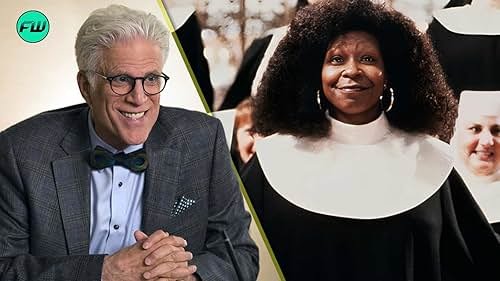
In the sprawling landscape of Hollywood lore, few incidents remain as unsettling and widely discussed as the Ted Danson blackface episode. To many, it represents not just a poor comedy choice, but also a cultural misstep that forced audiences and entertainers alike to confront how humor intersects with historical pain. This article takes an expert yet conversational look at that moment, its context, legacy, and what it reveals about comedy, race, and accountability in the entertainment industry.
What Happened: The Friars Club Roast and the Rise of the Ted Danson Blackface Controversy
In 1993, at a Friars Club roast honoring actress and comedian Whoopi Goldberg, actor Ted Danson—then best known for his role on Cheers—stepped onto the stage in blackface. Dressed in exaggerated makeup and delivering a set of racially charged jokes, Danson’s performance is now one of the most infamous examples of celebrity misjudgment in comedy.
The Friars Club roast tradition has long been a place where comedians push boundaries, with humor covering everything from sex to religion. But even within that context, which intentionally courts edginess, Danson’s routine crossed a line for many. Audience members cringed, and some left in the midst of the performance. He used the n‑word repeatedly and leaned into harmful caricatures that evoked the painful legacy of minstrel shows and racist entertainment practices.
The phrase Ted Danson blackface became shorthand in media and public discourse not just for what he did at that roast, but for the larger fallout that followed. It was more than a bad joke — it was a moment that illuminated how out of step even well‑intentioned performers could be when they ignore the historical weight of their actions.
The Context: Why This Was So Controversial — Far Beyond a Joke
To truly understand why the Ted Danson blackface incident was so widely criticized, you have to step back and look at what blackface represents historically. Blackface originated in the 19th century and was deeply rooted in racist minstrel shows in which white actors caricatured Black people in degrading and stereotypical ways. Over decades, these portrayals reinforced harmful stereotypes that contributed to real world discrimination and violence.
By the early 1990s, mainstream audiences were much more aware of these associations, and the use of blackface was widely seen as offensive — a symbol of a racist past that people were working hard to move beyond. So when Danson chose to appear in blackface, even in a comedic context and in front of a crowd that expected edgy humor, many felt the act disregarded decades of pain associated with that imagery.
That’s why the media response went beyond typical celebrity gossip. Newspapers and critics dissected the incident as more than a bad performance — they saw it as a moment that forced Hollywood to reckon with the way race and humor intersected. Some commentators drew direct lines back to early films like The Birth of a Nation, reminding audiences of how destructive similar portrayals once were.
Understanding this background helps explain why Ted Danson blackface became a phrase loaded with criticism — it wasn’t just a roast joke — it was a cultural trigger point.
The Immediate Backlash: Reactions from Celebrities and the Public
When the headlines hit, the reaction to the Ted Danson blackface performance was fierce and varied. Many audience members were visibly disturbed, and prominent figures didn’t hold back their criticism. Former New York Mayor David Dinkins recalled feeling embarrassed by the routine, while talk show host Montel Williams walked out in protest, equating the performance to something as extreme as a gathering of a hate group.
Yet not everyone immediately condemned Danson. Whoopi Goldberg, the honoree of the roast and Danson’s romantic partner at the time, came to his defense. Goldberg argued that Friars Club roasts existed to test comedic boundaries and that the crowd should have expected provocations. She even stated that some of the material was written with her input and that Danson’s intentions were not racist.
But her defense didn’t quell the uproar. In fact, it added another layer of complexity to the story, planting Ted Danson blackface even more deeply in pop culture debates about race, humor, and intent. Some observers questioned Goldberg’s judgment and whether the context of an interracial relationship muddied perceptions of what was acceptable.
The public conversation, fueled by news reports and opinion pieces, ultimately focused less on whether Danson meant harm and more on why such a performance was inappropriate — and why intent does not excuse impact.
Legacy and Reflection: How the Ted Danson Blackface Moment Is Viewed Today
Decades later, that roast remains one of the most cited examples of racial insensitivity in Hollywood history. For many, the Ted Danson blackface incident serves as a cautionary tale about how even well‑known and beloved entertainers can misread the cultural moment.
In the years after the roast, Danson spoke about the episode with regret. He acknowledged that it was a “graceless moment” in his life and career, admitting that he hadn’t fully understood the historical weight of what he had done.
Today, the incident is often brought up in discussions of how comedy evolves, especially as comedians and audiences grow more aware of racial sensitivities and the importance of inclusive humor. Comedians like Jim Jefferies, in his recent Netflix special, even reference the Ted Danson blackface event as part of routines that critique or reflect on the changing standards of what we find funny — and what we find unacceptable.
For students of pop culture, the moment is not merely historical trivia — it’s a marker of how society shifts over time. Where once a bit like that might have been dismissed as edgy — or worse, passé — today it’s assessed through a critical lens shaped by decades of activism, scholarship, and cultural sensitivity.
Lessons Learned: What the Ted Danson Blackface Episode Teaches Us
Looking back on the Ted Danson blackface controversy, several lessons emerge — some universal, others specific to media and entertainment:
1. Comedy Can Hurt Even Without Intent
One of the most important takeaways is that intent does not negate impact. Even if Danson didn’t mean to offend, the act itself echoed a history of racism that far outweighed any intended humor.
2. Context Matters — But Doesn’t Always Excuse
The fact that the performance was framed as part of a roast and even defended by Goldberg complicated the moment. Context can’t erase the broader historical meanings people bring to symbols like blackface.
3. Public Figures Have to Evolve
Over time, many performers have looked back on past work with new understanding, and Danson’s acknowledgment of his mistake shows that even those who misstep can grow.
4. Cultural Awareness Is Essential
Perhaps the most lasting lesson is that understanding culture and history isn’t optional — particularly for those in the spotlight. What seemed like a boundary‑pushing joke in 1993 became a cultural flashpoint because it tapped into real collective wounds. ted danson blackface
Conclusion: More Than a Moment — A Mirror on Society
The Ted Danson blackface incident frames a pivotal conversation in entertainment history: how we balance humor with respect, how we understand symbolic violence, and how celebrities and audiences alike navigate evolving cultural standards. What began as a divisive roast performance grew into a lasting lesson about empathy, context, and social responsibility.
Looking at this controversy now, more than 30 years on, reminds us that the things we choose to laugh at often tell us as much about ourselves as the things we choose to condemn. In the end, Ted Danson blackface is not just a headline — it’s a reminder of how powerful and lasting the impact of a single moment can be.



Post Comment