Meghan Markle Daughter: Inside the Story of Lilibet Diana Mountbatten-Windsor
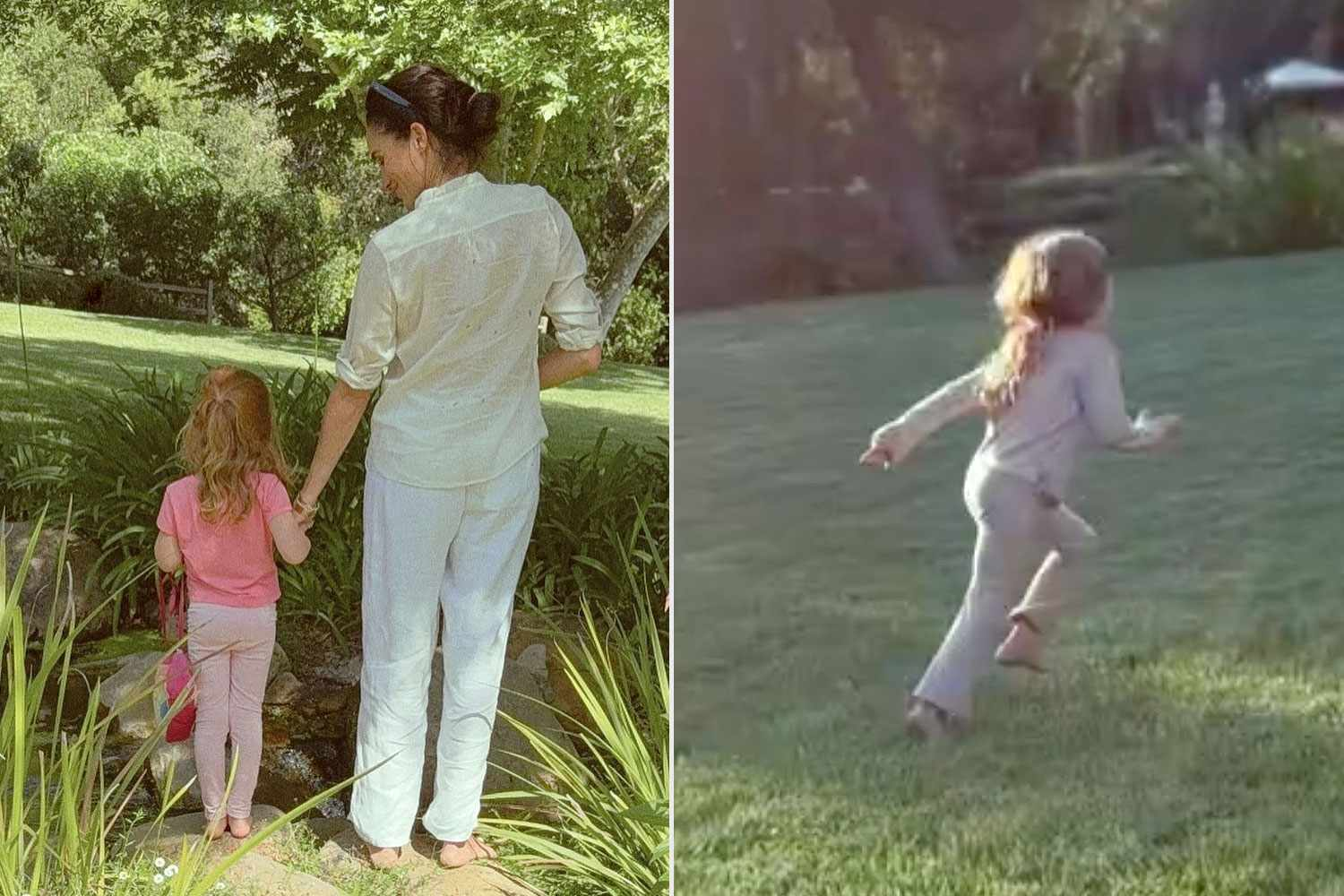
Meghan Markle daughter has become one of the most searched phrases in modern royal-family discourse, reflecting global curiosity about Lilibet Diana Mountbatten-Windsor. As the daughter of Meghan Markle and Prince Harry, Lilibet represents more than a royal child—she symbolizes a generational shift in how monarchy, media, and privacy intersect in the digital age. From her birth story to her carefully guarded upbringing, her journey has unfolded quietly yet powerfully.
But here is the kicker: unlike previous royal children raised in the full glare of traditional media, Lilibet’s early life is shaped by intentional privacy boundaries, transatlantic living, and a redefined version of public identity. Let’s break down her story as a narrative of origin, conflict, and transformation.
The Beginning: The Origin of Meghan Markle Daughter Lilibet Diana
The arrival of Meghan Markle daughter Lilibet Diana marked a deeply symbolic moment for the Duke and Duchess of Sussex. Born in June 2021 in California, she entered the world far from the traditional royal settings of the United Kingdom. This geographical shift alone set the tone for a very different kind of royal childhood.
Industry observers often note that Lilibet’s birth outside the UK represented a turning point in modern monarchy history. Instead of palace announcements and formal public introductions, her early life was introduced through controlled statements and selective media sharing. The emphasis was clear: privacy first, public narrative second.
Here is the kicker: even her name carries layered meaning. “Lilibet” is a tribute to Queen Elizabeth II’s childhood nickname, while “Diana” honors Princess Diana, linking her identity to two powerful royal legacies. Experts in royal history suggest this naming choice reflects both continuity and emotional reconciliation within the broader family story.
As the narrative unfolds, it becomes clear that Lilibet’s origin is not just about birth—it’s about positioning. Her entry into the world signaled a new chapter for the Sussex family, one defined less by institutional tradition and more by personal autonomy.
The Conflict: Privacy, Media Pressure, and Public Curiosity
The story of Meghan Markle daughter quickly evolved into a broader cultural conflict—privacy versus public fascination. From the moment of her birth, global audiences wanted glimpses, images, and details. Yet her parents adopted a strict approach to shielding her from constant exposure.
The tension here is unmistakable. On one side, the public remains deeply curious about royal descendants. On the other, Meghan Markle and Prince Harry have repeatedly emphasized their desire to raise their children outside relentless media scrutiny. This clash has created a long-running narrative friction point.
It gets better: media analysts often highlight how Lilibet’s upbringing reflects a broader post-royal strategy. Instead of curated palace imagery, the Sussex family has opted for selective storytelling—milestone announcements rather than continuous coverage. This shift challenges decades of royal communication tradition.
Experts in media psychology suggest that this controlled visibility increases public curiosity rather than reducing it. The less people see, the more they want to know. That dynamic has made the keyword “Meghan Markle daughter” a persistent global search trend.
But there is a deeper layer here. The conflict is not just external—it is structural. It reflects the ongoing negotiation between legacy institutions and modern digital life. Lilibet, though too young to understand it, sits at the center of this evolving media ecosystem.
Key Takeaways: Meghan Markle Daughter and Modern Royal Identity
- Lilibet Diana was born into a unique blend of royal heritage and modern independence
- Her upbringing emphasizes privacy, contrasting traditional royal visibility
- The keyword “Meghan Markle daughter” reflects global curiosity about this new royal generation
- Media attention creates ongoing tension between public interest and parental protection
- Experts see her life as part of a broader shift in monarchy communication strategy
This snapshot only scratches the surface. Because the real story continues to evolve as she grows up outside traditional royal structures.
The Transformation: A New Kind of Royal Childhood
The transformation narrative of Meghan Markle daughter Lilibet Diana is still unfolding, but early patterns already reveal a significant shift in what royal childhood looks like in the 21st century. Instead of constant public exposure, her life is built around controlled visibility and intentional privacy.
Industry veterans often note that this approach mirrors broader cultural changes in celebrity parenting. High-profile families are increasingly choosing limited digital exposure for their children, prioritizing emotional development over public branding. Lilibet’s upbringing fits squarely into this emerging trend.
Here is the kicker: transformation in her case is not about fame—it is about redefining what fame means. Even without regular public appearances, she remains a global figure of interest, showing that relevance today is not dependent on visibility alone.
Experts in cultural sociology suggest that children like Lilibet represent a “hybrid identity generation.” They are born into legacy systems but raised in decentralized, media-saturated environments where privacy is actively curated rather than naturally preserved.
As this transformation continues, the broader implication becomes clear: the monarchy itself is adapting through its youngest generation. Lilibet symbolizes a future where royal identity is less about ceremony and more about personal narrative control.
Growing Up Between Two Worlds: California and Royal Legacy
One of the most defining aspects of Meghan Markle daughter Lilibet’s story is her dual-cultural environment. Raised primarily in California while connected to British royal heritage, her life represents a fusion of two distinct worlds.
Experts in cross-cultural development often point out that children raised in dual-identity environments develop a flexible sense of belonging. For Lilibet, this means navigating a life shaped by both American independence and British royal tradition—two systems with very different expectations.
It gets better: this duality also influences how her story is perceived globally. In the United States, she is often viewed through the lens of celebrity culture and media autonomy. In the UK, she remains part of a centuries-old royal lineage. That contrast fuels ongoing public fascination.
Despite the attention, her parents continue to prioritize a grounded upbringing. Reports and public statements emphasize family-centered routines, outdoor living, and limited exposure to media pressures. This intentional structure reflects a long-term vision rather than short-term publicity management.
Media Fascination and the SEO Effect of Meghan Markle Daughter
From a digital perspective, the phrase Meghan Markle daughter has become a powerful SEO and cultural keyword. Its persistence in search trends reflects not only curiosity about Lilibet but also broader interest in the evolving Sussex narrative.
Marketing analysts often note that royal-related keywords behave differently from typical celebrity queries. They are sustained by global audiences, cross-generational interest, and ongoing news cycles. In this case, Lilibet’s presence extends the relevance of Meghan Markle’s public narrative far beyond traditional entertainment cycles.
Here is the kicker: the keyword itself becomes part of the story. Every mention reinforces digital visibility, even when personal information remains limited. This creates a feedback loop between public interest and online search behavior.
Experts in digital media strategy suggest that this phenomenon illustrates how modern fame is no longer tied to constant appearances. Instead, strategic absence can generate equal or greater attention. Lilibet’s story sits at the center of that shift.
The Future Narrative: What Comes Next for Meghan Markle Daughter
Looking ahead, the narrative of Meghan Markle daughter Lilibet Diana will likely continue to evolve in carefully measured ways. Unlike previous generations of royal children, her public identity is expected to remain selectively managed.
Industry veterans often predict that her future will depend heavily on personal choice rather than institutional obligation. This marks a significant departure from historical royal expectations, where public duty often preceded personal preference.
It gets better: as digital culture continues to evolve, children like Lilibet may become symbols of a new privacy standard in celebrity families. The balance between visibility and protection will likely define her story more than any single public appearance.
Ultimately, her journey represents more than just royal curiosity. It reflects how modern families—royal or otherwise—are redefining identity, legacy, and boundaries in an always-connected world.
Final Reflection
The story of Meghan Markle daughter is not just about who Lilibet Diana is today—it is about what she represents for tomorrow. A child born into global attention, yet raised with intentional privacy, she embodies a cultural shift that extends far beyond the royal family.
And here is the final kicker: her story is still in its earliest chapters. The most significant developments are not behind us—they are still to come.
tycoonclub



Post Comment